
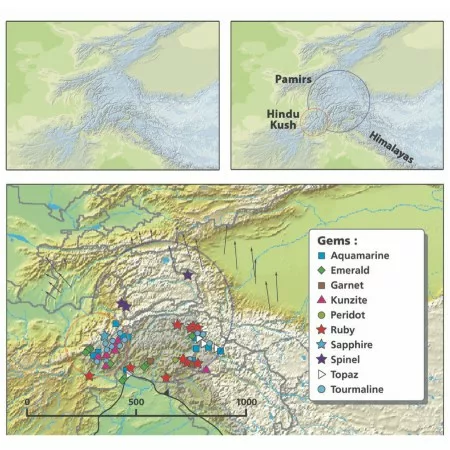
Colored gemstones of metamorphic origin: Progress report in understanding how they crystallize at depth in East Africa, the Hindu Kush, Pamir Mountains, and the Middle-Urals Ring Structure
It is difficult to reconcile the existence of deposits of trans- parent gems of metamorphic origin with the observation attributed to Robert Boyle (1627–1691) that the best crys-
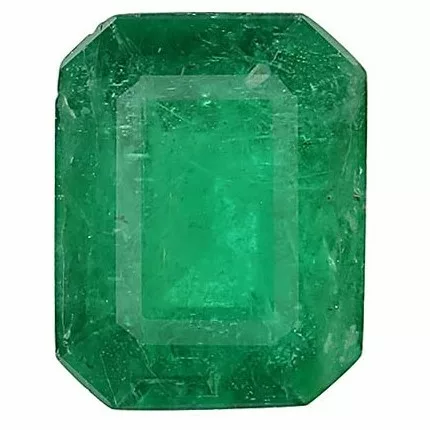
Bertrandite in Emeralds
Over the past few years we have been seeing more and more lower quality stones in the lab. The reasons for this may be related to lack of supply of finer goods, rising prices, the
Noble gas in corundum: interests in gemology
Noble gases —elements of the last column of the periodic table—are chemically defined by their full outer electron shells, making them highly inert and very volatile under ambi
Nitrogen aggregates in yellow HPHT and CVD synthetic diamonds
Yuri Shelementyev, Galina Kriulina, Olga Yarapova, Viktor Vins, and Alexander Stolyarevich
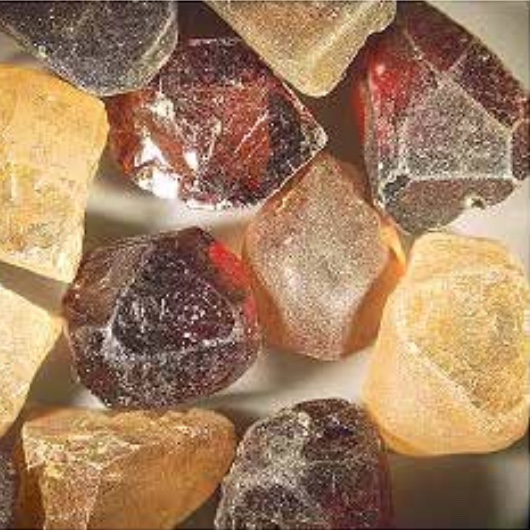
Gem zircon and sapphire age dating and application of origin determination: A study from New England sapphire fields, New South Wales, Australia
Ahmadjan Abduryim, Frederick Lin Sutherland, Terry Coldham, Elena Belousova Download Pdf
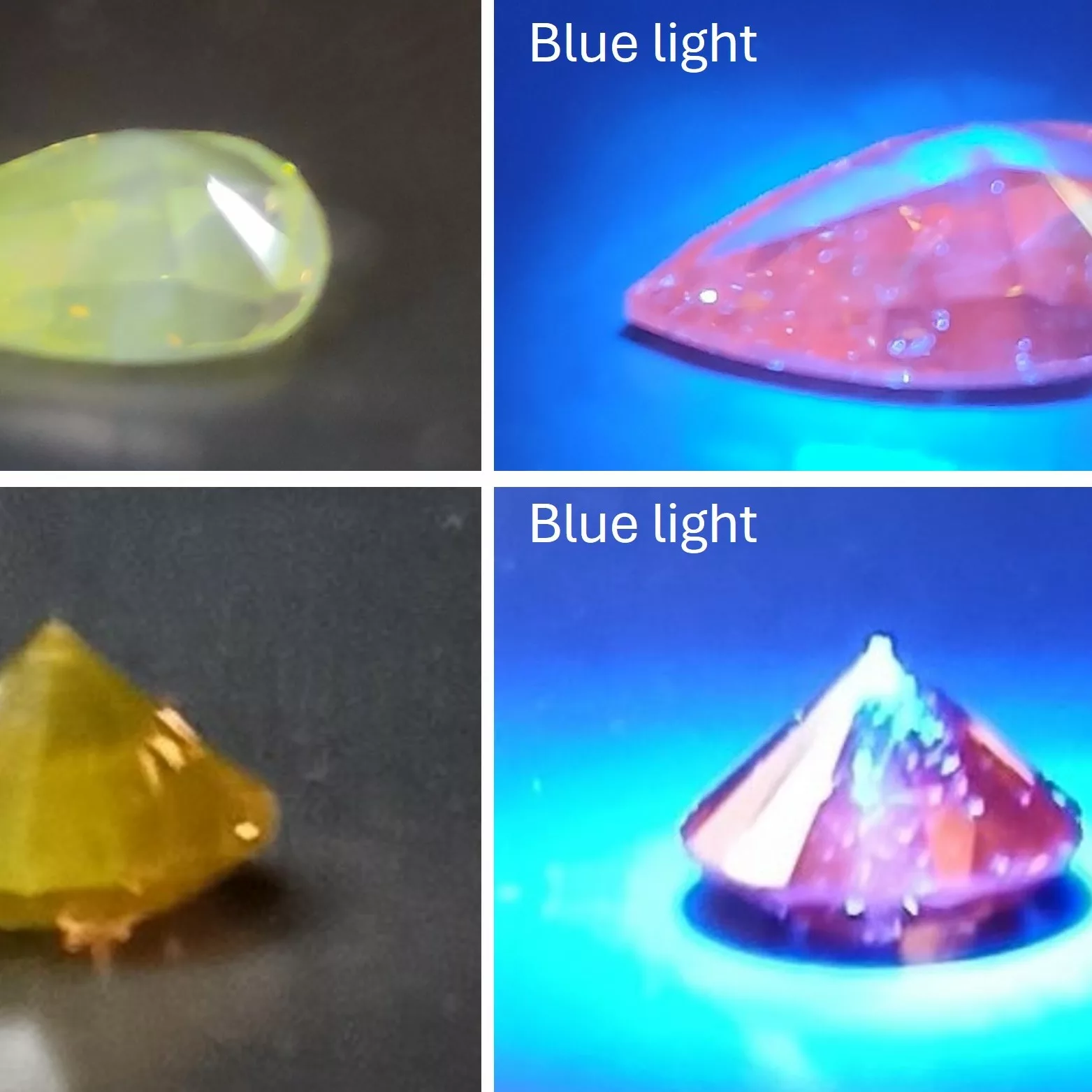
Shining light on “480 nm band” diamonds: Gemmological characteristics of an unusual group of diamonds with yellow and red luminescence
Fancy colour diamonds that derive their colour from nitro- gen-related defects (such as N3/N2 centers or C-centers) are relatively common and well-studied
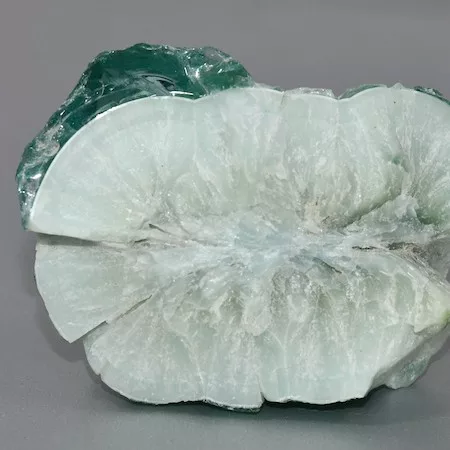
A convincing glass imitation of larimar (pectolite)
Larimar, a massive blue variety of the mineral pectolite, belonging to the wollastonite group of minerals is known in the trade for few decades now
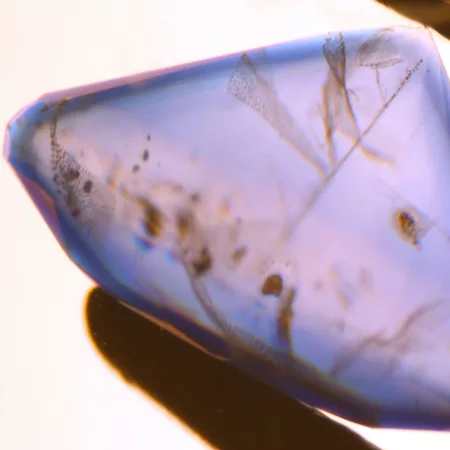
Challenges in the Detection of Ruby and Sapphire Treatment in the Thai Market
The detection of treatments in ruby and sapphire remains a critical aspect and has become an increasingly complex issue in the gem trade and laboratories alike
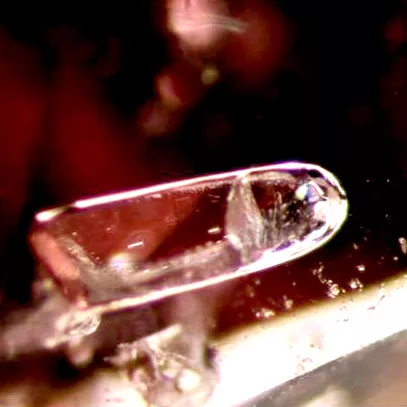
Spinel from Sri Lanka – An update
Most of the spinels are found in shades of red to purple. Colourless, green and cobalt bearing varieties also been recorded in few locations
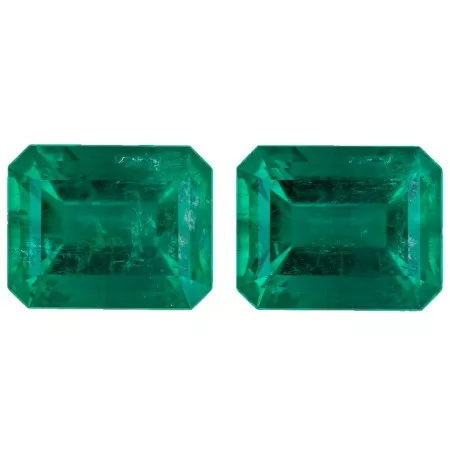
An approach to understanding the factors in the emerald enhancement clarity grading system used at CDTECGemlab
Emerald is the green variety of beryl, with its distinctive color resulting from trace amounts of chromium, vanadium, and iron
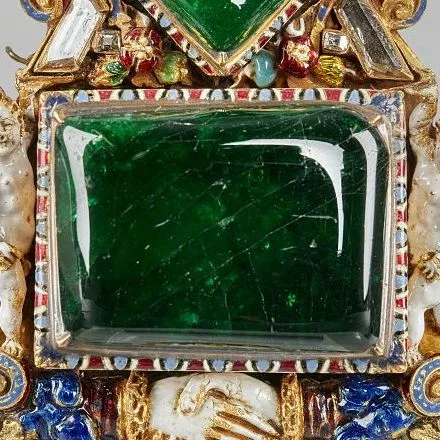
Historic Emeralds and their Geographic Origin: A Retrospective Study
When it comes to the geographic origin of gems, curiously enough, historians sometimes put forward provenance without any documentary or scientific proof
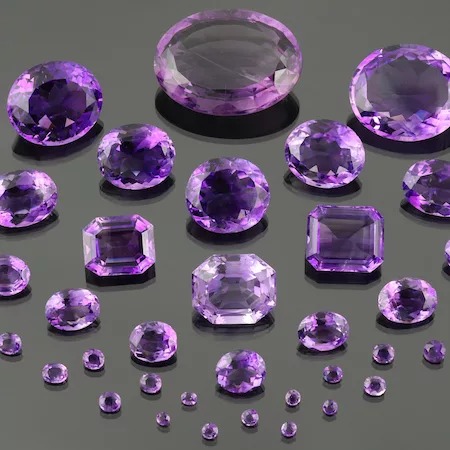
Study of “amethysts” from the French Crown Jewels
Stefanos Karampelas, Eloïse Gaillou, Annabelle Herreweghe, Ugo Hennebois, Farida Maouche, Romain Bolzoni, Steven Riou, Quentin Dartois, Bérengère Meslin Sainte Beuve, Christelle
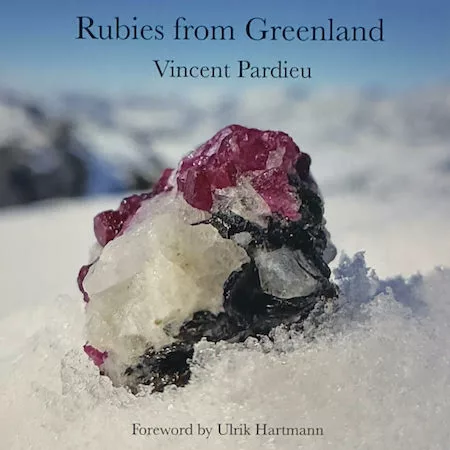
Rubies from Greenland
Gemology is traditionally practiced in laboratories, focused on identifying and analyzing gemstones. Vincent Pardieu’s journey, however, took a different path
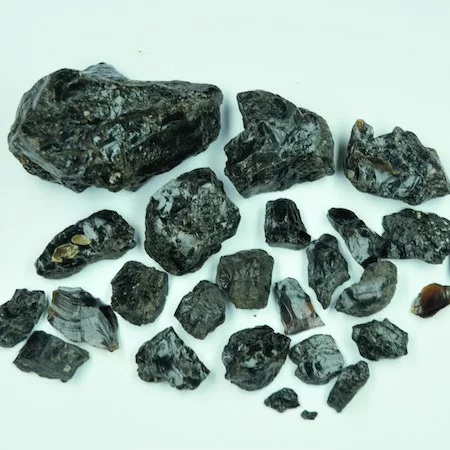
Amber from the Thanbaya Gaing Coal Mine, Minbu Township, Magwe Region, Myanmar
Amber was recently discovered by local coal miners at the Thanbaya Gaing Coal mine located 6.5 km northwest of Padaung village, and about 5 km west of Thanbaya Gaing village
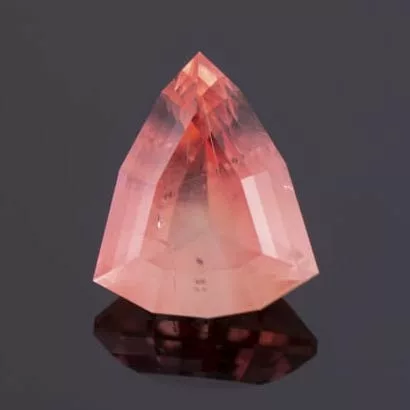
Pink-orange gem quality euclase from Bahia, Brazil
Euclase, monoclinic crystal system—is a seldomly occurring mineral and with a Mohs hardness of 7 and a perfect cleavage to (010) rarely faceted for use in jewellery, but crystal
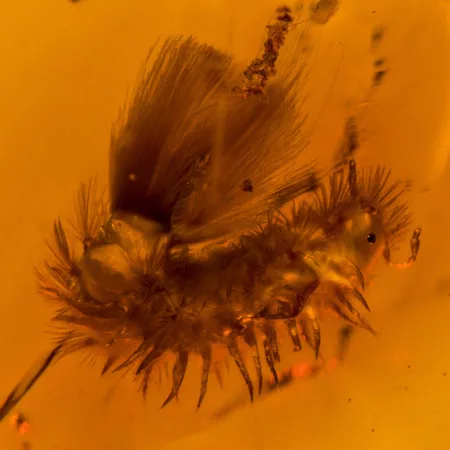
A Photo Survey of Inclusions in Fossiliferous Amber
For many, fossiliferous tree resin, primarily amber, gained wide visibility to the public in 1993 where it was prominently featured in the movie, Jurassic Park
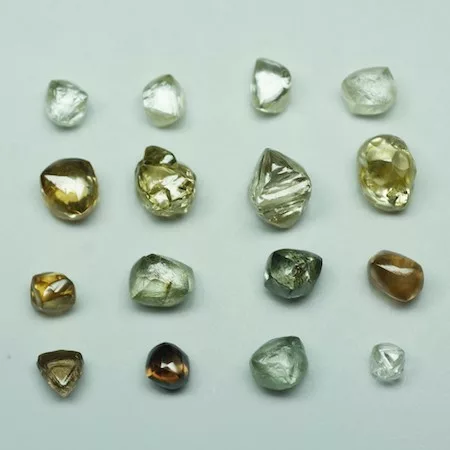
Diamonds from Than Lwin River near Mong Hsu, Myanmar
Sixteen rough diamonds were acquired in 2023 by co-author TTS from a gem dealer linked to Mong Hsu, Shan State, Myanmar
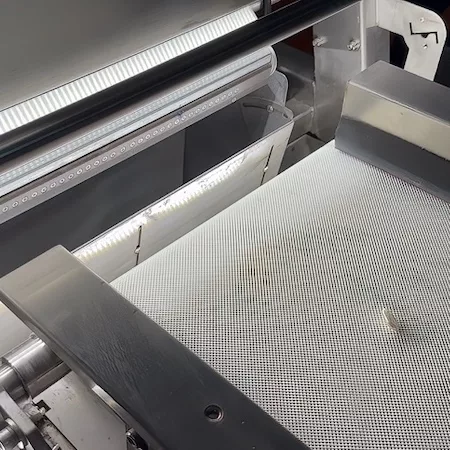
Modern Cultivation of Freshwater Pearls in China: Advances in Materials, Technique
This presentation explores the modern advancements in freshwater pearl cultivation in China, focusing on the materi- als, techniques, and market orientation driving the industry
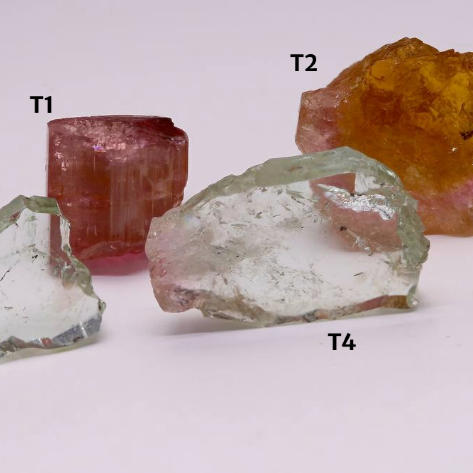
Typomorphic features of tourmalines of the Malkhan pegmatite field from the Irkutyanka vein
A.Y. Shelementyeva, Y.B. Shelementyev, O.V. Yarapova Download Pdf
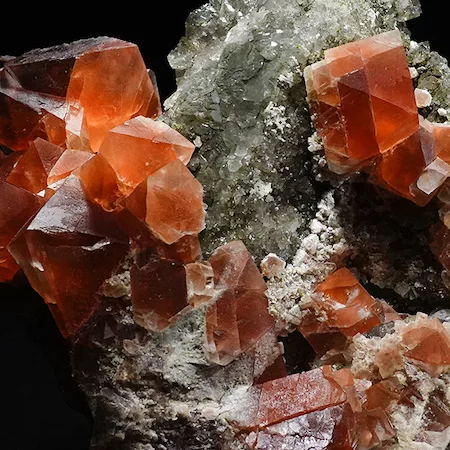
Gem-quality pink fluorite from Planggenstock, Switzerland: chemical and physical properties and a comparison with pink fluorites from other localities
In this study, first results of trace element analyses and various spectrometric investigations on pink fluorites from alpine deposits (Aar and Montblanc Massifs) as well as from t
Automated Data Processing of Raman Spectra for Supporting Spinel Origin Determination
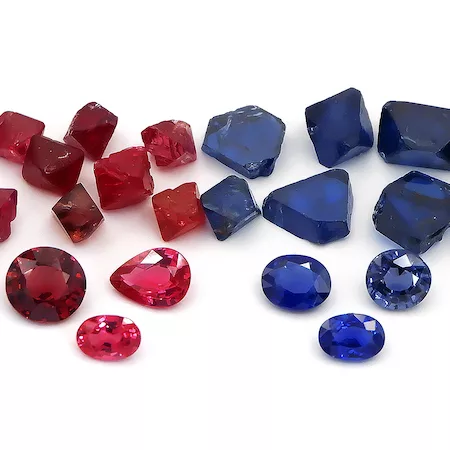
pinel is a highly valued gemstone, with its color and quality influenced by trace-element chemistry and crystal structure. Accurate determination of its geographic origin is crucia
Fe-Ti charge transfers: A comprehensive review and its applications to minerals and gems
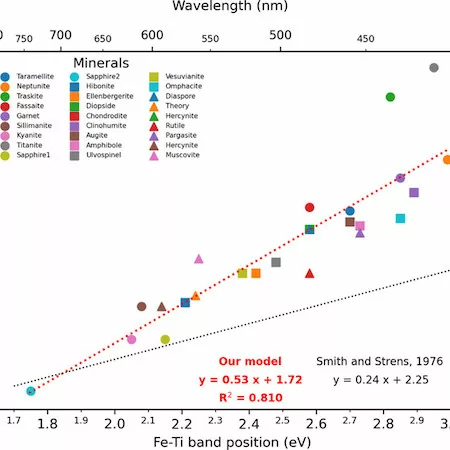
The iron-titanium charge transfer (Fe-Ti CT) is mentioned in numerous articles as the source of the coloration of many nat- ural minerals and some man-made materials, but no global
Gems in Hellenistic and Roman Jewellery of Northern Greece: An investigation from the Collections of the Archaeological Museum of Thessaloniki, Greece
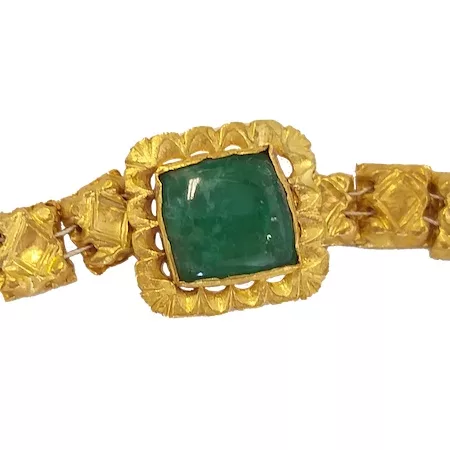
This study presents the results of an interdisciplinary archaeogemological investigation focusing on gems embedded in Hellenistic and Roman jewellery from the collections of the Ar
Effects of Gamma Irradiation on Corundum: Towards a Potential Detection Method
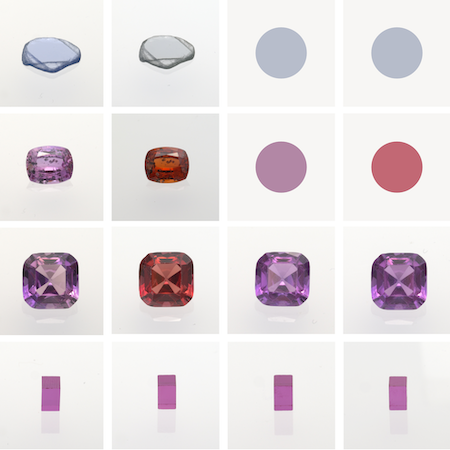
Corundum, encompassing the highly prized ruby and sapphire varieties, stands as a cornerstone of the global gemstone market
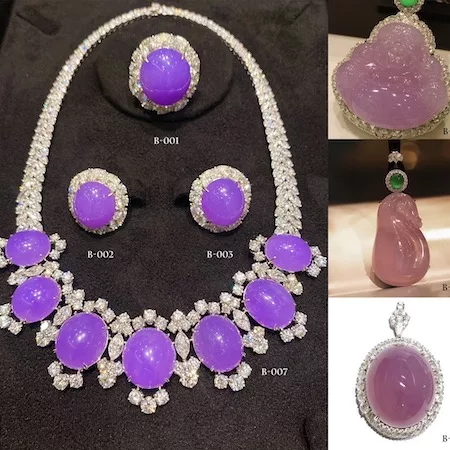
Color Genesis Analysis and Characteristics for Origin Identification of Purple Jadeite
Purple jadeite, renowned for its distinctive purple hues and rich cultural connotations, is highly admired and sought after
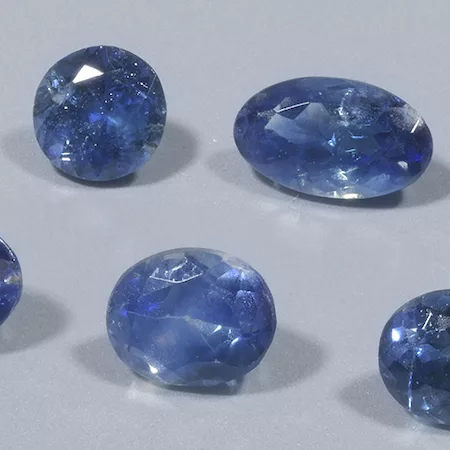
Blue sapphire from Malacacheta of Minas Gerais, Brazil
Malacacheta, located in Minas Gerais, Brazil, is renowned for its alexandrite deposits and com-plex geological setting
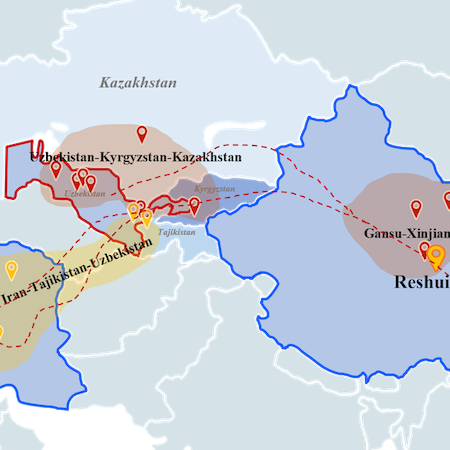
Cross-Cultural Provenance and Characterization of Turquoise Artefacts: A Multi-Analytical Non-Destructive Study of Reshui Tomb Cluster, China (744 AD) and Tepeh Zagheh, Iran (5200–4200 BCE)
Turquoise has long held considerable cultural, economic, and symbolic significance across ancient civilizations, func- tioning both as a prestigious ornament and as a medium of exc
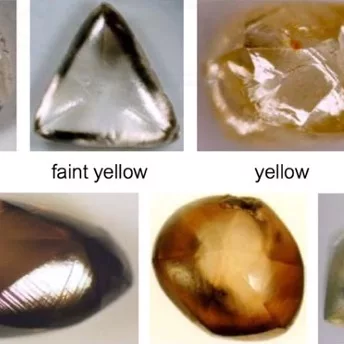
Morphologies and Surface Features of Diamond Samples from Southern Thailand
In 1955, the first report on Thai diamond was made by Dr. Payome Aranyakanon, a renowned tin exploration geologist of Thailand Department of Mineral Resources
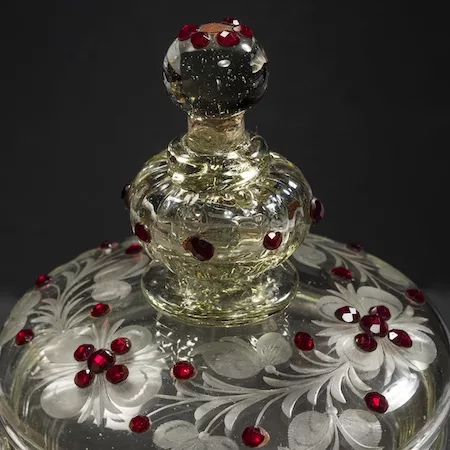
History of Garnet Mining and Cutting in the Austro-Hungarian Monarchy
Bohemian garnets, i.e., chromium-bearing pyropes, are found in several jewellery pieces from the Migration Period (circa 400 to 600 A.D.), and only a small number of jew- els conta
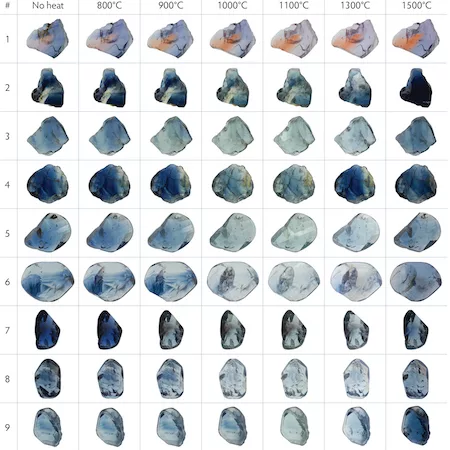
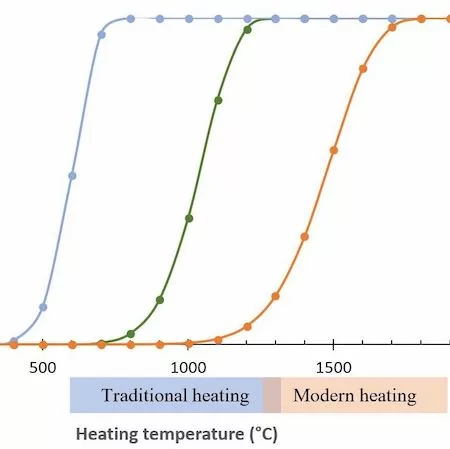
Low Temperature Heat Treatment of Madagascar Sapphire
One of the challenges facing gemologists today is the detec- tion of low temperature (below 1200°C) heat treatment in corundum (Hughes et al., 2017)
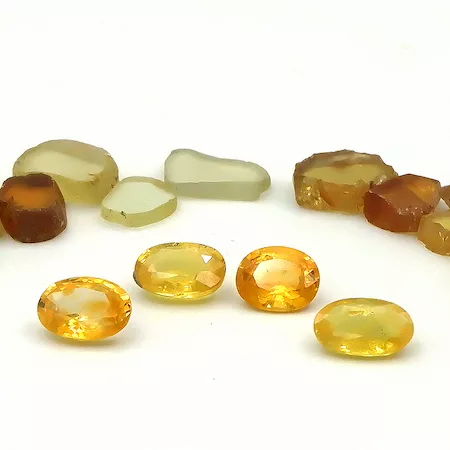
Geographic Origin Determination of Natural Yellow Sapphires: The Preliminary Study
Determining the geographic origin of yellow sapphires plays a critical role in the gem trade, as origin often dictates both perceived quality and market pricing
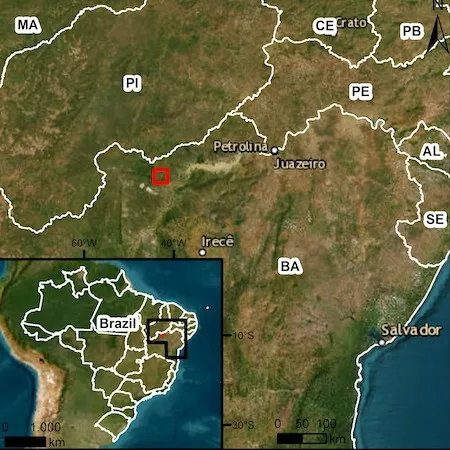
Found, Lost, and Found Again: The Geological and Gemological Significance of the Salininha Emerald Deposit, Brazil
The Salininha emerald deposit located in the municipality of Pilão Arcado, Bahia State, represents the first economically significant discovery of gem-quality emer- alds in Brazil
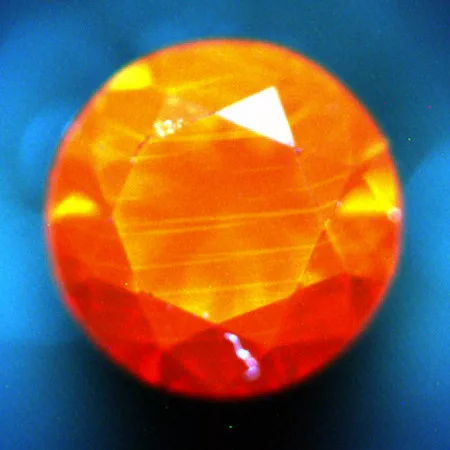
Identification of melee size synthetic coloured diamond for jewellery
Synthesis methods to produce large and high-quality dia- mond for jewellery have been improved over the years, and large, colourless faceted stones weighing more than 50 ct have be
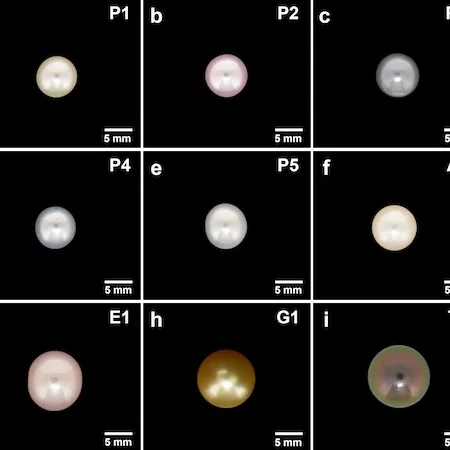
Novel cultured pearls with ceramic nucleus and possible cause of their strong luster
Cultured pearls with a ceramic nucleus (bead) represent a new type of saltwater cultured pearls that has recently emerged
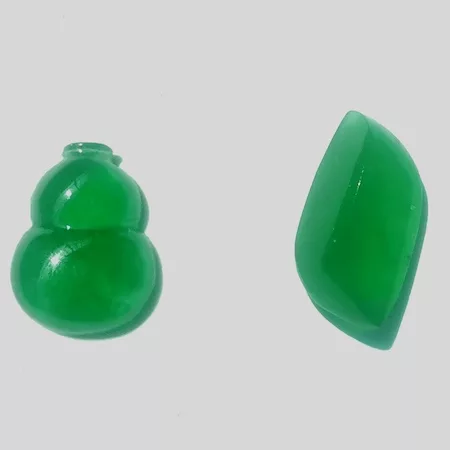
Advancing Fei Cui Origin Authentication: A comparison of green fei cui from Myanmar, Guatemala, Italy and Russia
In recent years, an increasing number of sources of fei cui, such as Guatemala, Italy and Russia, have entered the Chinese market, leading to a growing demand for precise origin de
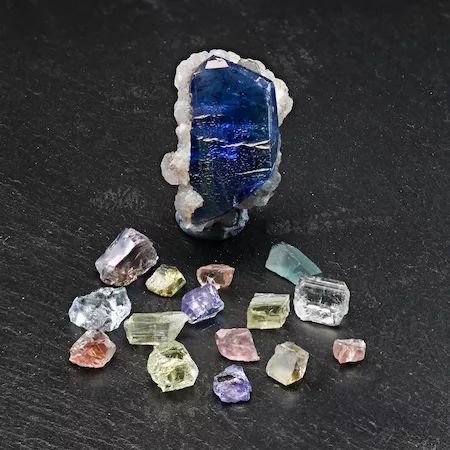
Zoisite and its many color
The mineral zoisite is a calcium alumosilicate belonging to the class of silicates, more exactly sorosilicate minerals
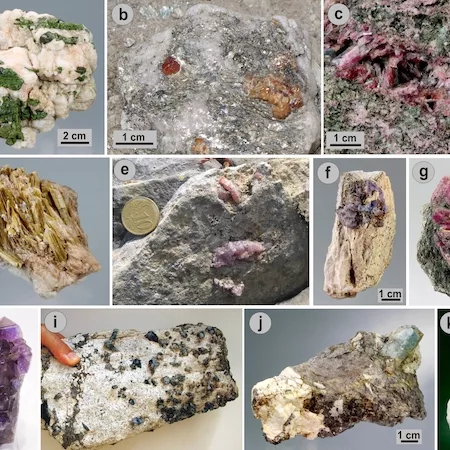
Gems in Greece: Geology, mineralogy and crystallizing environment
In the accretionary Hellenides Orogen, gems occur in various rock types of mainly four tectonometamorphic units, the Rhodope- and the Attico-Cycladic massifs, the Pelagonian zone,
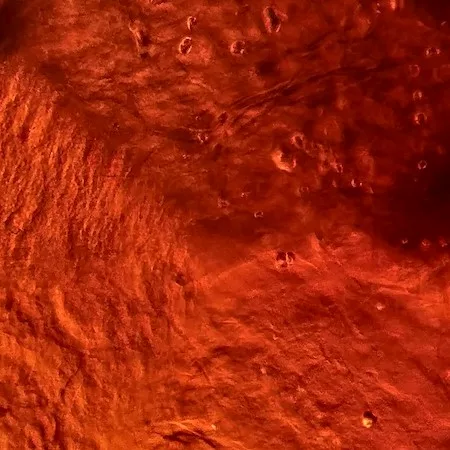
Hessonite garnet from Angul district of Odisha, India
This study describes hessonite (Fe-bearing variety of grossular garnet), found in the Birlamunda village, located in Palalahada tehsil of Angul district of Odisha state
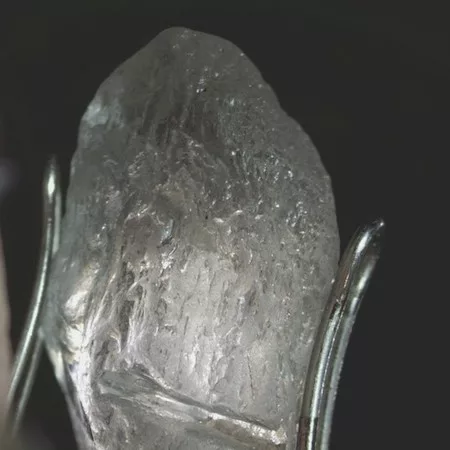
Hurlbutite from Myanmar
A crystal of the very rare mineral hurlbutite originating from Myanmar (without further locality details) was studied and faceted afterwards in two gems, which we also studied
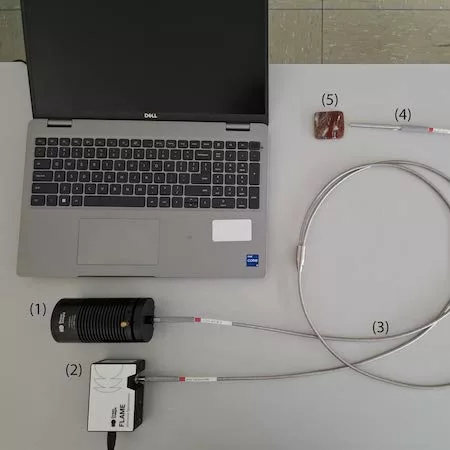
Application of Fibre Optics Reflectance Spectroscopy (FORS) for the determination of mineral pigments in jasper
The identification of pigments is carried out routinely mostly by X-ray diffraction, FTIR and Raman spectroscopy as well as visible absorption
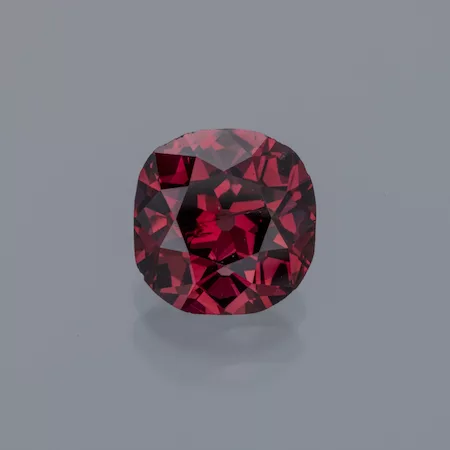
Studying renowned fancy color diamonds in museum collections: the case of the Winston Red
Museums are unique repositories of international treasures. They are also places of active research, even on the most valu- able objects, such as famous and / or historic gemstones

Amber and its treatments: A New Baltic Amber Classification Chart
This paper aims to present the history of the modification of Baltic amber (succinite), and particularly the modern meth- ods of its enhancement, along with a discussion of their o
The Importance and Methodology of Undertaking a Literature Search for Gemmological Research and Article Publishing
Performing a literature search is a very important—but often neglected—part of doing gemmological research
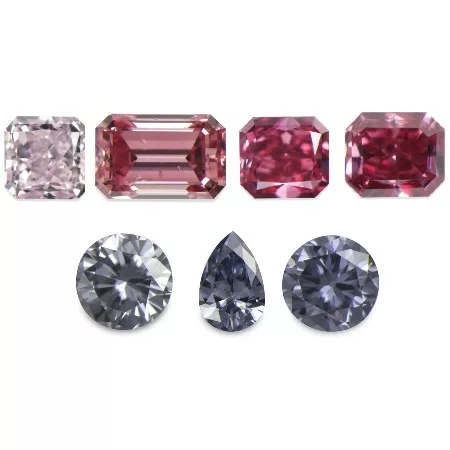
Pink to Red and Violet Diamonds from the Argyle Mine, Australia: Properties, Color Origin and Latest Research Results
The Argyle Mine was by very far the largest producer of pink to red diamonds worldwide and the only producer of violet diamonds
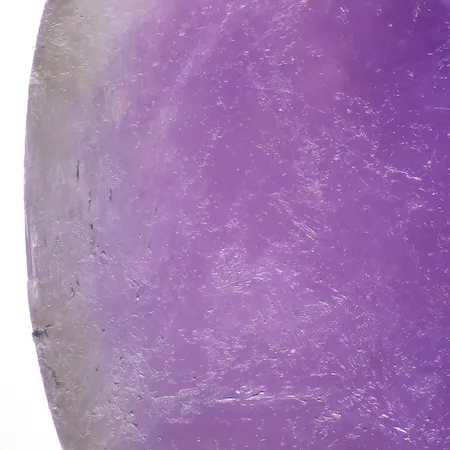
Dyed purple Jade (Lavender jade or purple “Fei Cui”) from Mandalay’s jade market, Myanmar
Jade or "Fei Cui" are trade names for a stone that typi- cally contains only one or more main mineral components, including jadeite, omphacite, and kosmochlor
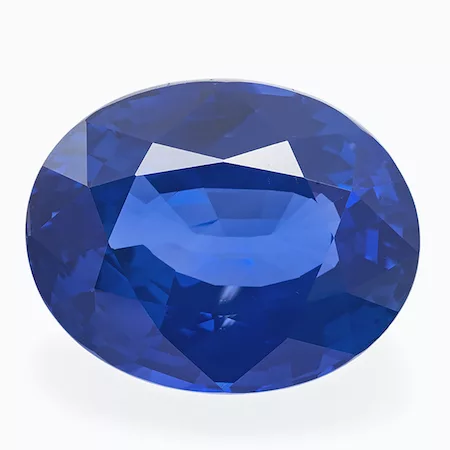
HFSE-enriched sapphires of gem quality: A combined FTIR and trace element study and implications for heat treatment detection
Gem-quality sapphires containing ‘exotic’ elements such as Sn, Nb, Zr, Ta, W, are of special interest in gemmological research, as the concentration of these so-called high-fie
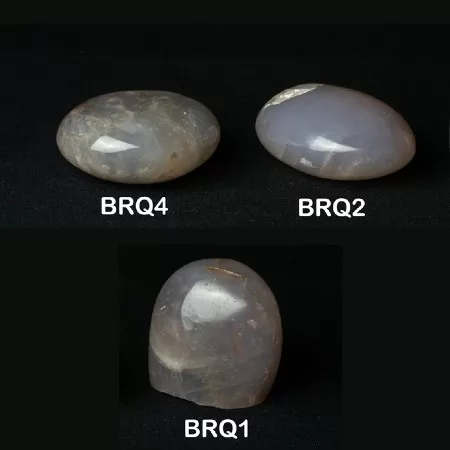
On the nature of blue rose quartz
Over the past several years, the market for pink-coloured rose quartz has been augmented by variants ranging from colourless through deep rose-pink, to lavender and blue
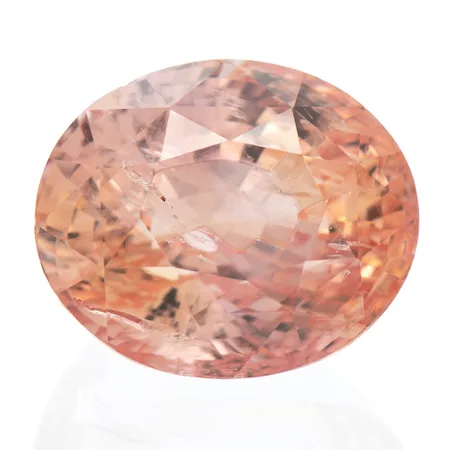
Padparadscha Sapphire & heat treatment
In 2018 the Padparadscha engagement ring of Princess Eugenie (Figure 1), the niece of the king, gave a boost to the popularity of the gemstone in the UK
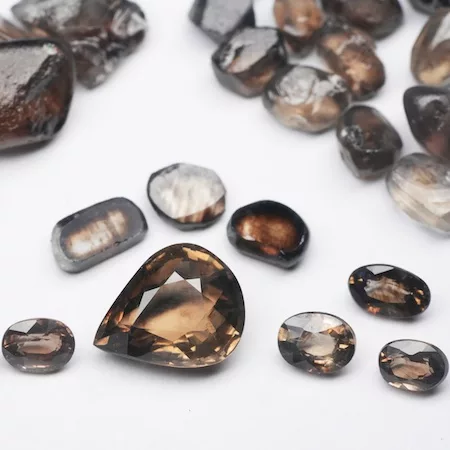
Gemological Characteristics of New Transparent Brown Sapphire
A newly observed variety of faceted transparent brown sapphire has recently entered the gem market, prompting gemological attention due to its highly unusual appearance
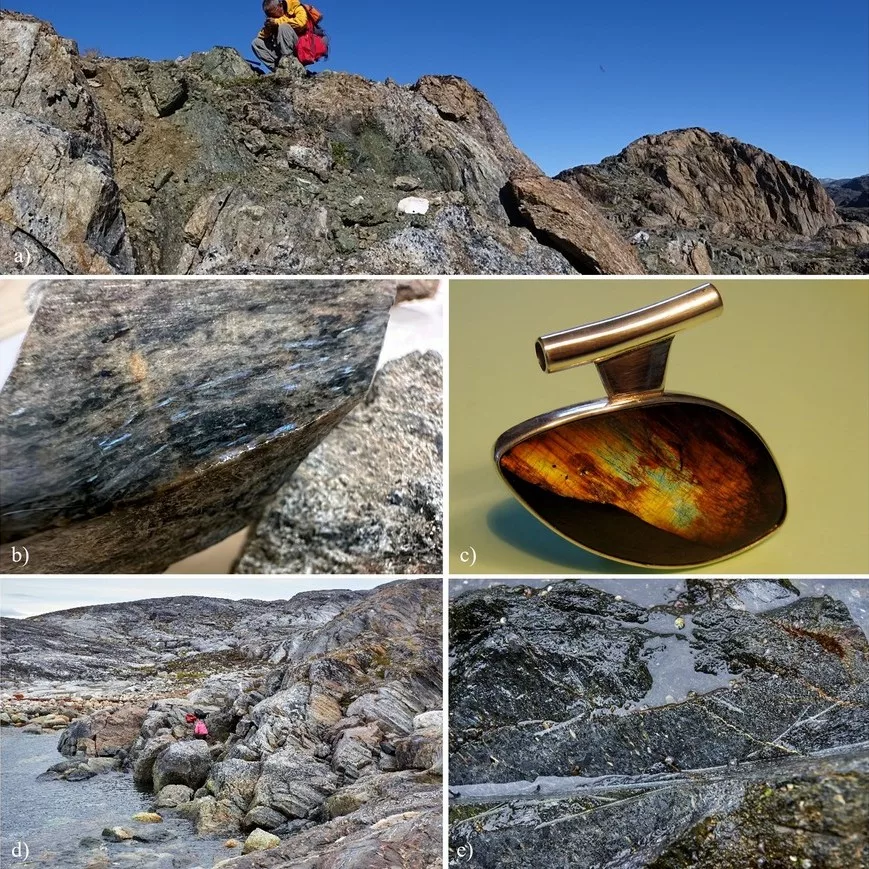
A nuummite occurrence from kangerluarsuk in the Maniitsoq Region, West Greenland
K. I. Giesecke was the first to recognize the beauty of the iridescent amphibolitic gemstone Nuummite in 1810 when he collected samples from the island Simiuttat in the Nuuk area,
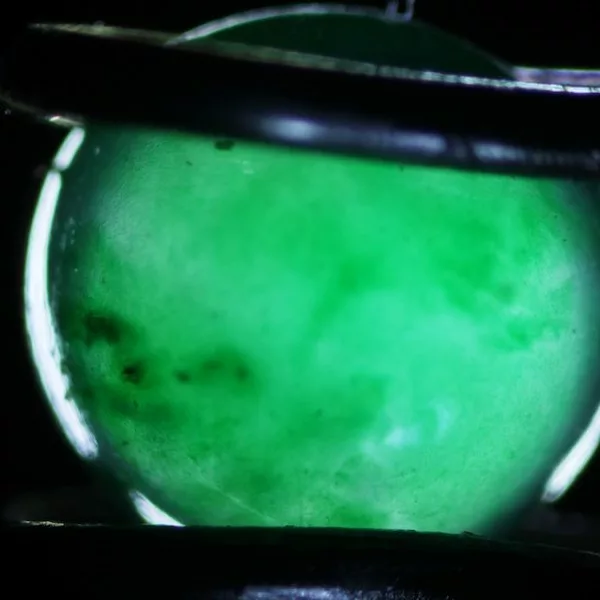
Origin Identification Characteristics of High-quality Green Jadeite
Currently occurrences of jadeite mainly include Myanmar, Guatemala, Russia, Kazakhstan and Japan. Origin has a great impact on the price of high-quality green jadeite and at presen
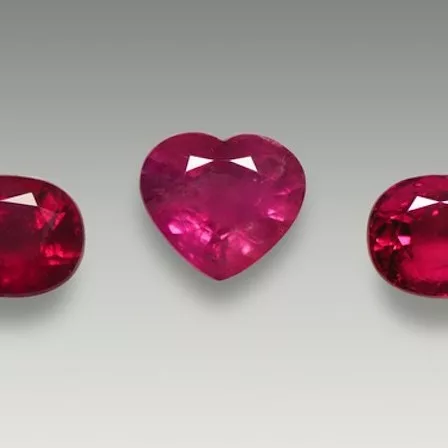
Influence of Irradiation on Colour Modification and Colour Stability of Rubies: A Preliminary Study
Ruby is the chromium-bearing red colour-variety of corundum Al2 O3 . Since historic times, ruby is highly popular in the gem and jewellery market because of its highly saturated re
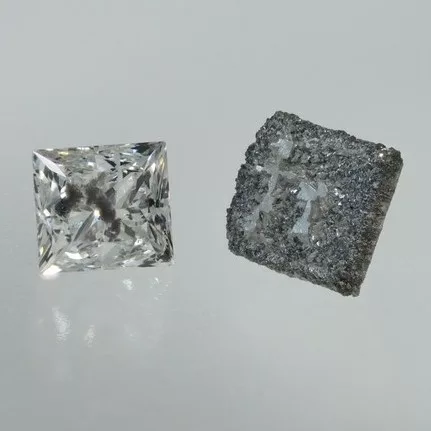
Gemmological studies of “Hybrid Diamond” (Natural + CVD synthetics)
Size and quality of CVD synthetic diamonds for jewelry market have been improved over the years, and various fancy colour CVD diamonds have also been produced. In addition, overgro
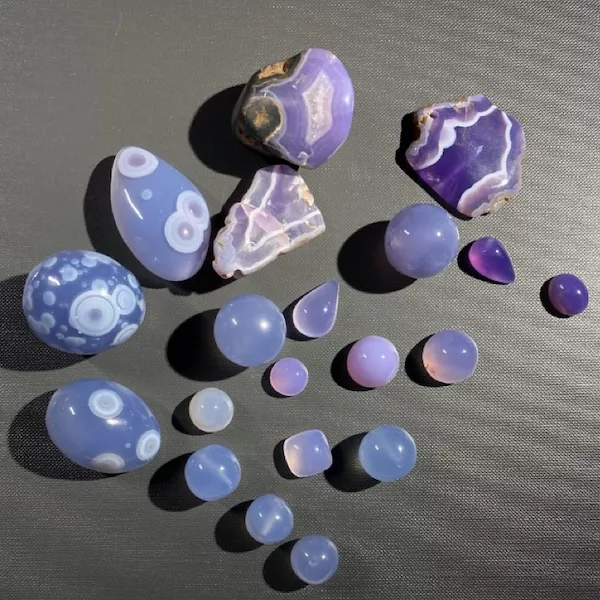
Purple to bluish grey chalcedony from Ethiopia
In the past 15 years, Ethiopia has repeatedly gained attention for a variety of new gem finds. In 2008, a large deposit of white play-of-colour opal was found (Rondeau et al., 2010
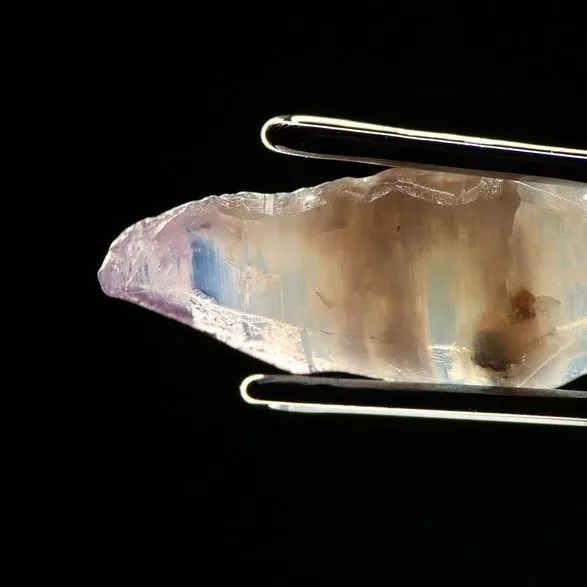
Milky appearance of Geuda sapphire from Sri Lanka
Sri Lanka is famous for gems since several thousand years. Almost corundum varieties have been found in Sri Lanka including the rough of Geuda which has also given considerable att

Colour varieties of gems – where to set the boundary?
In theory it is simple: a gemstone is a mineral formed in nature by geological processes and, as such, it has a mineralogical name that is scientifically defined and accepted by th
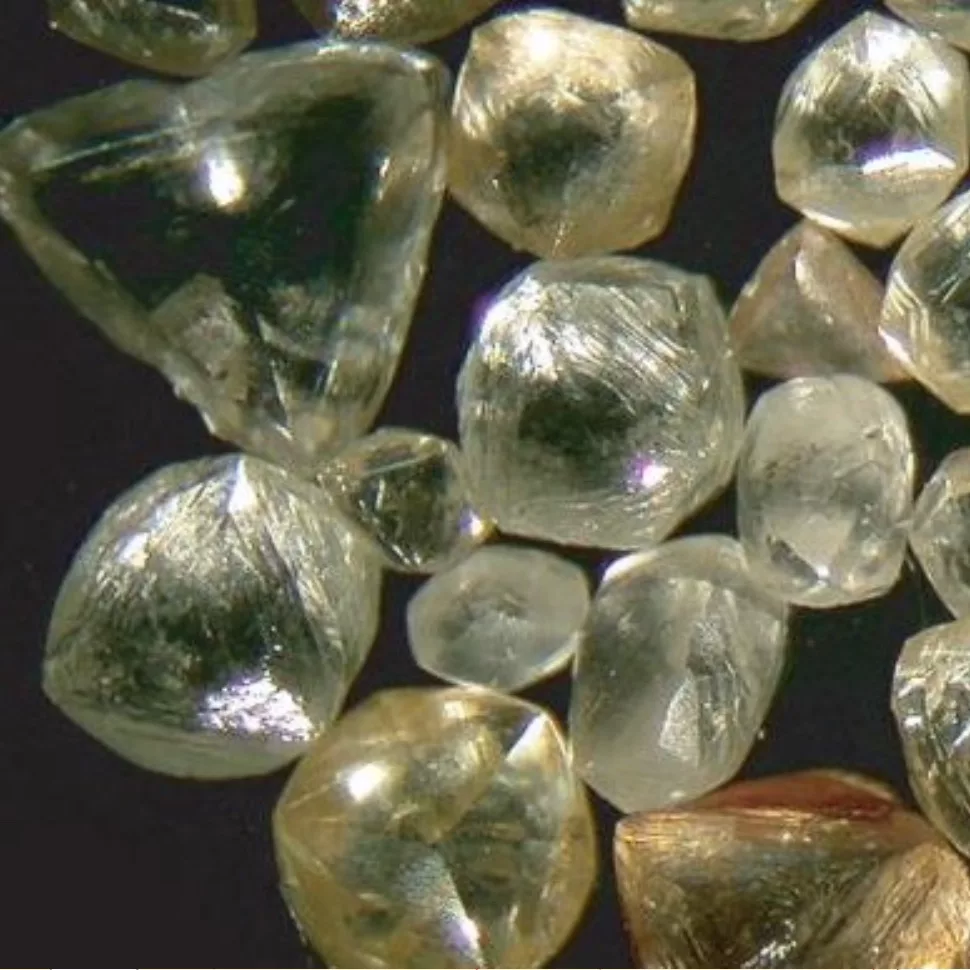
Mapping underground rivers at the Copeton Diamond Field, New South Wales, Australia. Following these “deep leads” to further riches
In Australia’s ‘New England’, early gold and tin explorers discovered diamonds in their sluice boxes without realising their significance, but by the 1890s the Copeton-Bingar
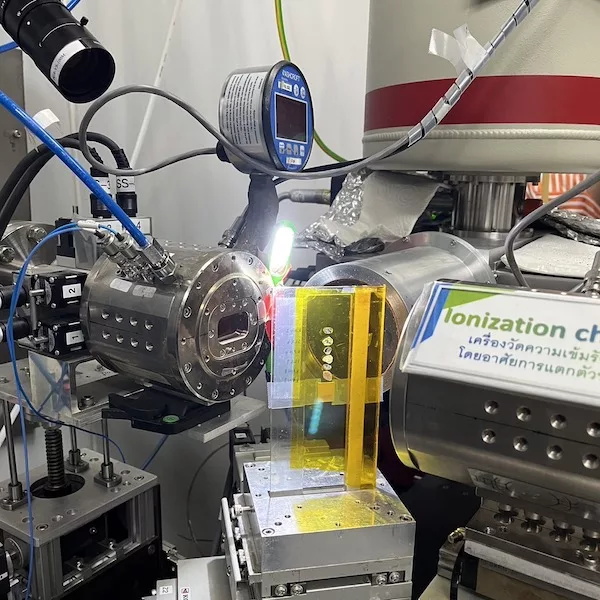
The Importance of Research for Gem & Jewellery Industry
Research has always been an essential tool for business leaders who always realise that the consuming public is active, and hence, research investment could help lead their busines
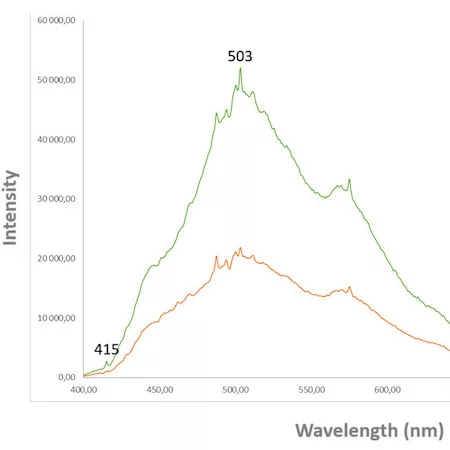
Quantitative estimation of spinel’s thermal and geothermal history by photoluminescence spectroscopy and its application in spinel origin determination
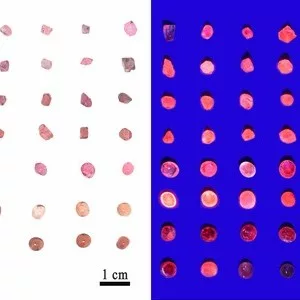
The thermal history of spinel can not only be used to distinguish the natural spinel from heated and synthetic ones, but also to reveal that the spinel underwent different geologic
Gemological and Luminescence Characteristics of Taaffeites from Mogok, Myanmar
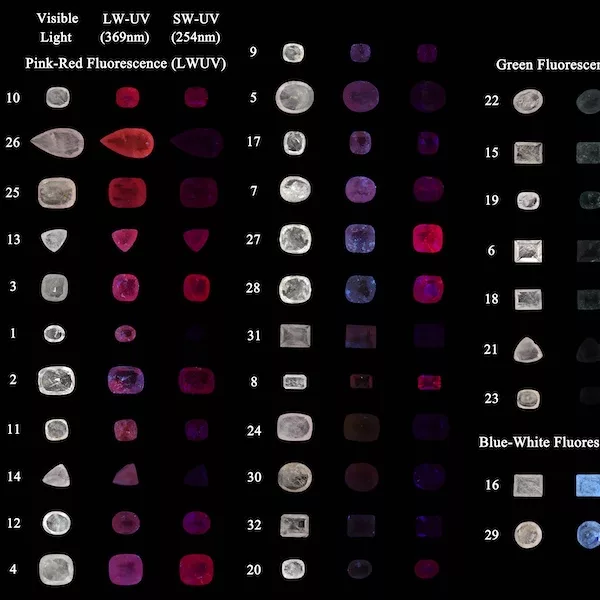
Taaffeite is a rare gem that has been found in different localities such as Tanzania, Sri Lanka, China, and Mogok, Myanmar. Systematic research on the taaffeite from Mogok, Myanmar
Opal stability: a step toward detection
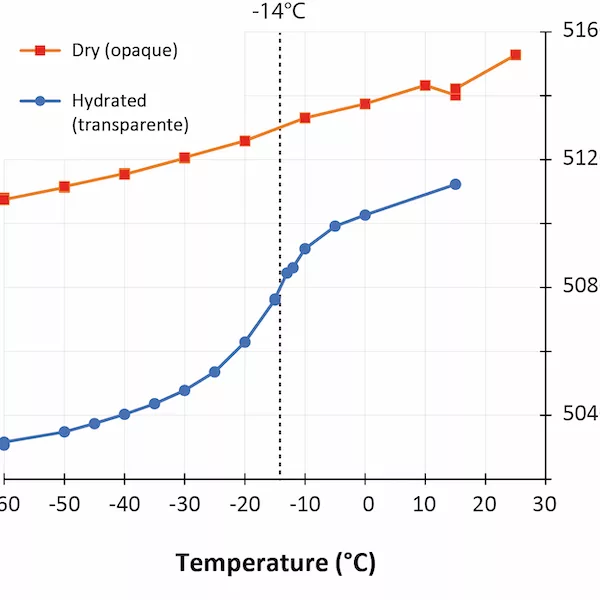
Opal is a gem of captivating beauty that stems from its complex microscopic structure composed mainly of silica. In the most striking specimens, the light diffraction from a three-
Effects of Gamma Irradiation on Ruby and Pink Sapphire and Potential Detection Methods in Gem Labs
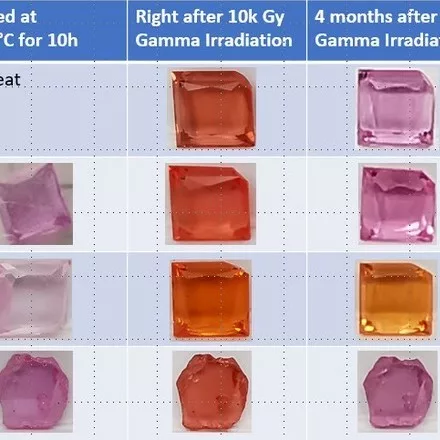
Gamma irradiation is a non-destructive and non-invasive treatment method used to enhance the colour and aesthetic appeal of gemstones, such as diamond, topaz, quartz, and sapphire.
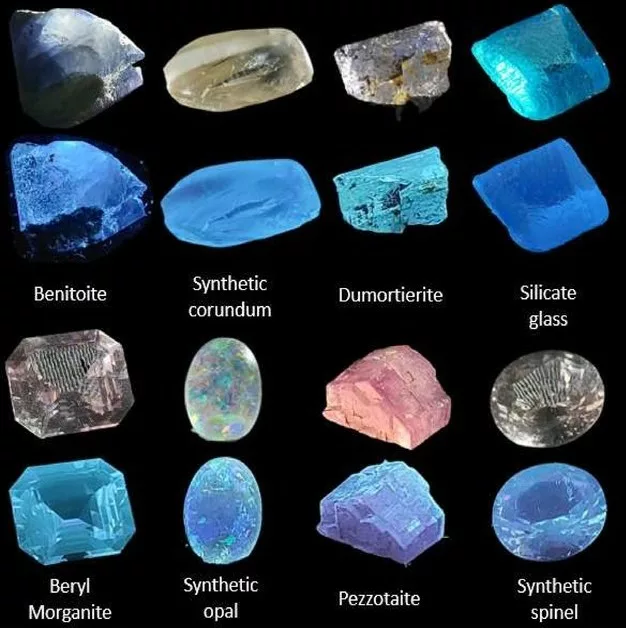
Blue shortwave luminescence of gems: the role of titanate groups
The purpose of this study is to describe Blue Shortwave-UV excited Luminescence (BSL) in gems and related materials, and demonstrate the role of titanate groups in a number of gems
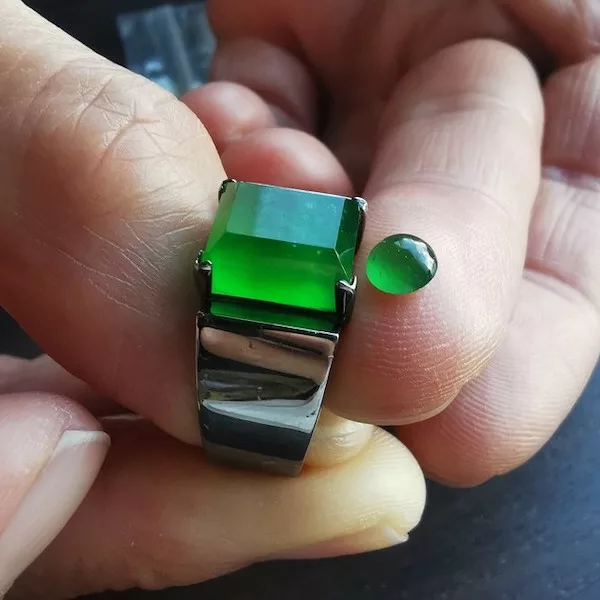
Geographic Origin Determination of Fei Cui: A comparison of high-quality green Fei Cui from Myanmar, Guatemala, and Italy
Fei Cui is a kind of jade that is defined as a granular to fibrous polycrystalline aggregate composed solely, or principally of any of the following or any combination of the follo

Past, Present and the Future of IGC
Exactly, seventy-one years ago, in the month of October, to be precise from the 23rd to the 25th of October 1952 in Lugano, Switzerland, the inaugural meeting of the International
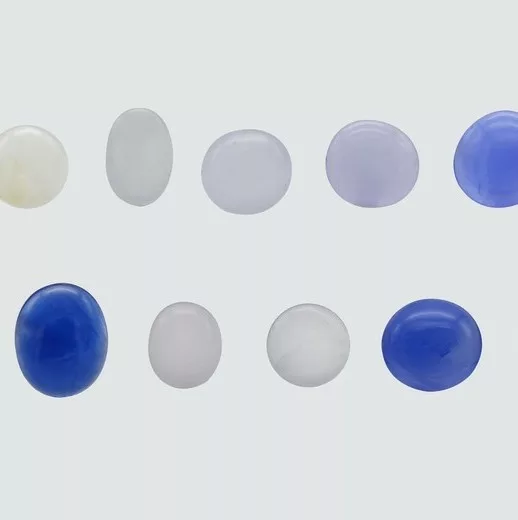
Sulfur-based species induced photochromism in sodalite
Sodalite Na4 (Al3 Si3 O12)Cl is a natural aluminosilicate mineral that contains sulfur or sulfur-related defects, known as chromophores (Reinen et al. 1999; Fleet et al. 2010). Hac
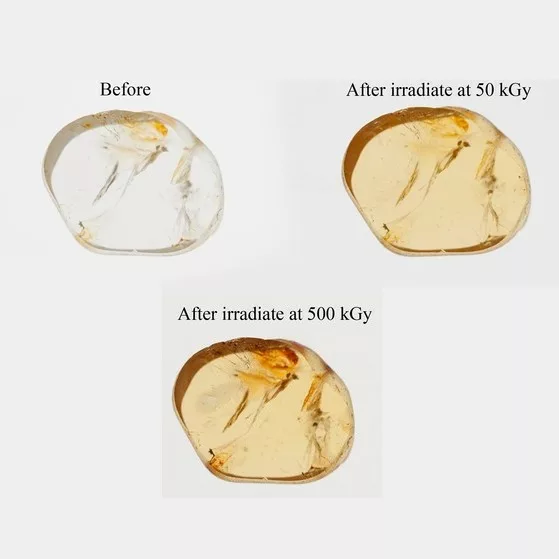
Color enhancement in yellow sapphire
Natural yellow sapphire is colored by one or the combination of two different chromophores, Fe3+ and the trapped hole-Fe3+ (h• -Fe3+) colour center. Fe3+ chromophore is typically
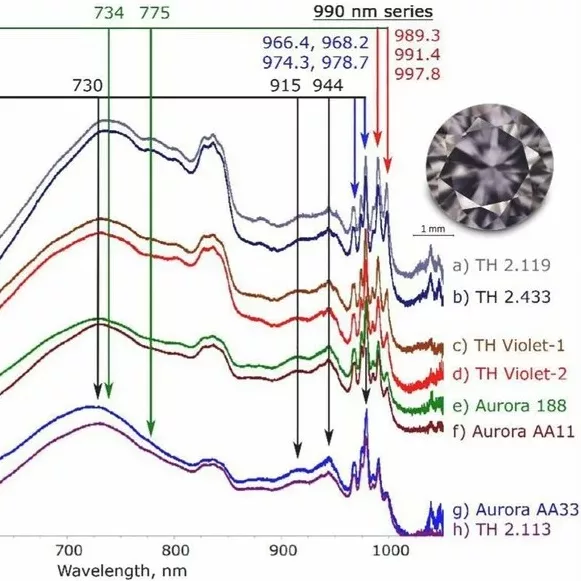
Violet Diamonds from Argyle: New Insights into the Cause of their Unique Color
Until its recent closure, the Argyle mine in Australia has been the only source of uniquely colored violet diamonds produced during the 35 years of its operation. These diamonds th
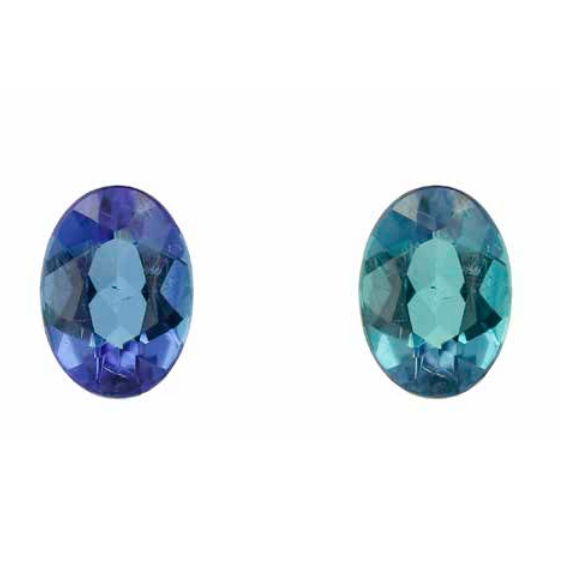
Colour change Paraiba tourmaline from Brazil
In just a few decades Paraiba tourmalines have developed into one of the most valuable and sought-after gems in the world. Of particular interest are specimens from the legendary B
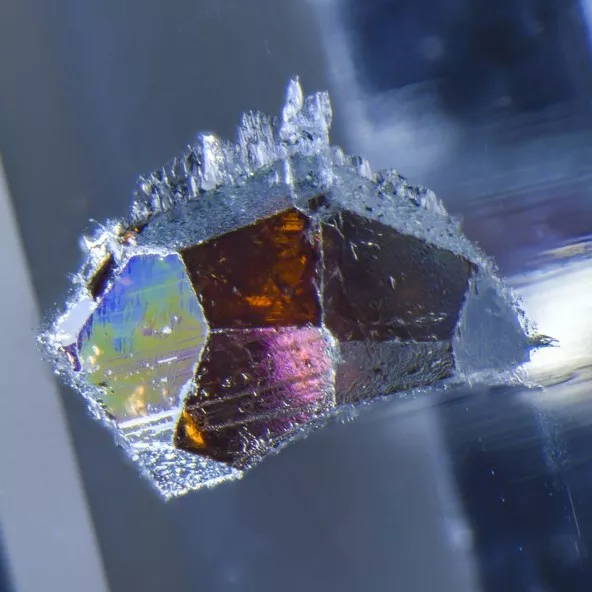
Microfeatures of Beryl Group Gems including the Newest Mineral Variety, Johnkoivulaite
Beryl group minerals often provide clues to their pegmatitic origin in the suite of inclusions contained within such gems. They regularly showcase examples of pegmatitic minerals s
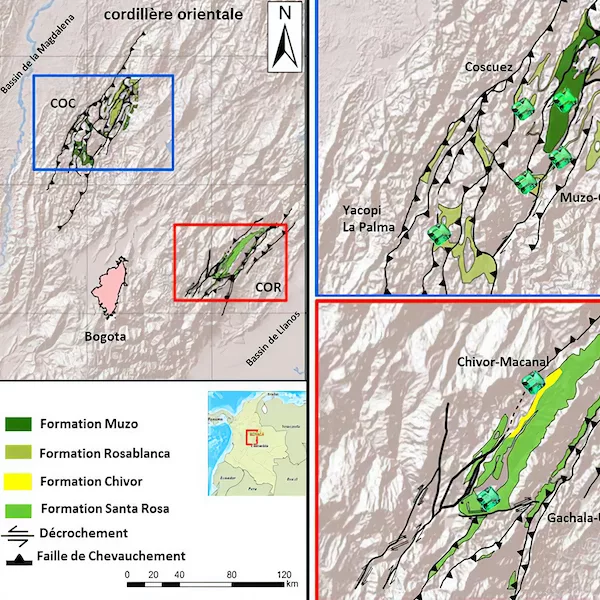
Fingerprint differences between Emeralds from two main zones of production in Colombia in response to input from their host rock
Although there is information about techniques to separate Colombian emerald material from that of other countries, not much information is available on how to differentiate Colomb
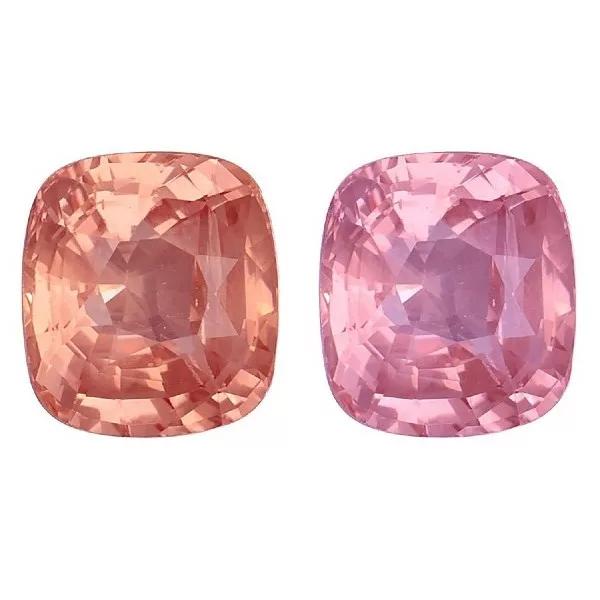
Additional Observations on Unstable Color in Padparadscha Sapphires
For the past few years laboratories have been testing the color stability of padparadscha sapphires. It became an issue because we realized that the orange color in some pads was u
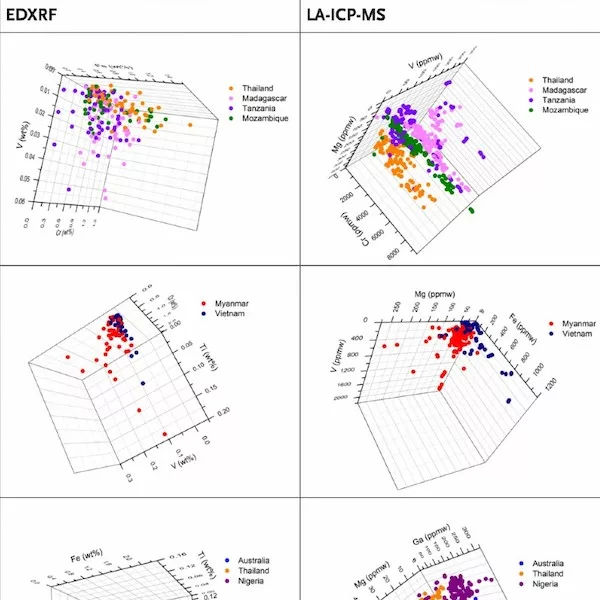
An implementation of machine learning in ruby and sapphire origin determination
Country-of-origin is one of the most important value factors of corundum (ruby and sapphire) due mainly to its historical or legendary popularity in the trade. Generally, gemmologi
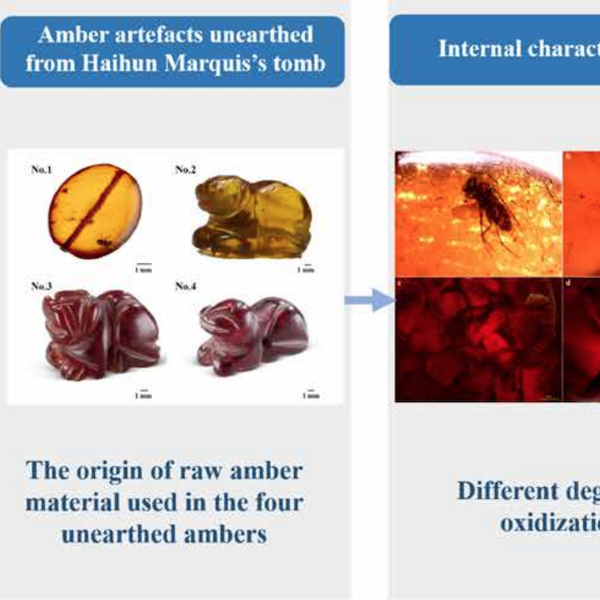
Effects of weathering on FTIR spectra and origin traceability of archaeological amber: The case of the Han Tomb of Haihun Marquis, China
Amber (fossil resin), known as the “capsule of time and space”, which is a complex biogenic polymer originated from ancient plants resin from different geological periods [1].
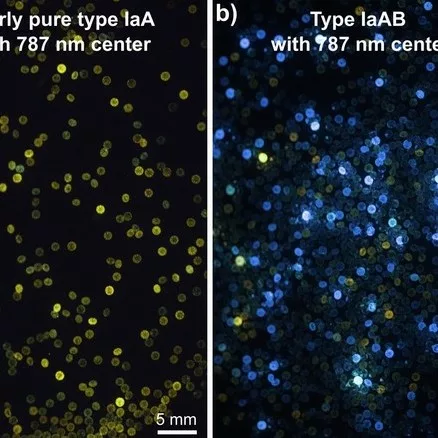
A study of nickel-bearing type Ia diamonds
We present a detailed FTIR and PL spectroscopic study (i.e. at 298 and 77°K) of a large number of colorless (i.e. color D to G) type Ia diamonds (i.e. >200), showing the presence
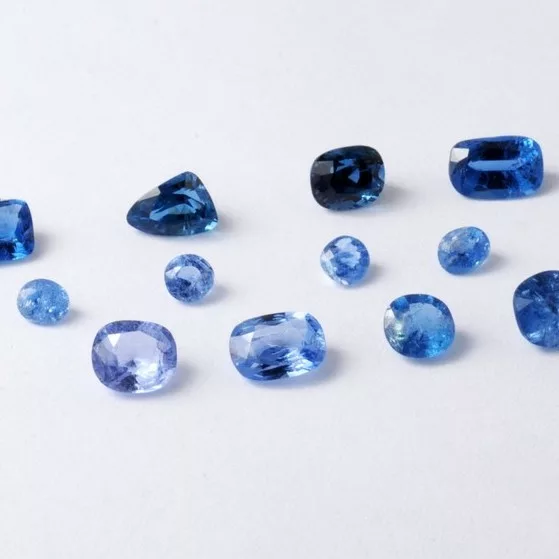
Cobalt spinel from Bai Buoi mine, Yen Bai, Vietnam
The cobalt bearing spinel from Lukande, Tanzania, discovered in 2019, has attracted much attention and several papers were published recently (Stephan & Muller., 2022, Krzemnicki e
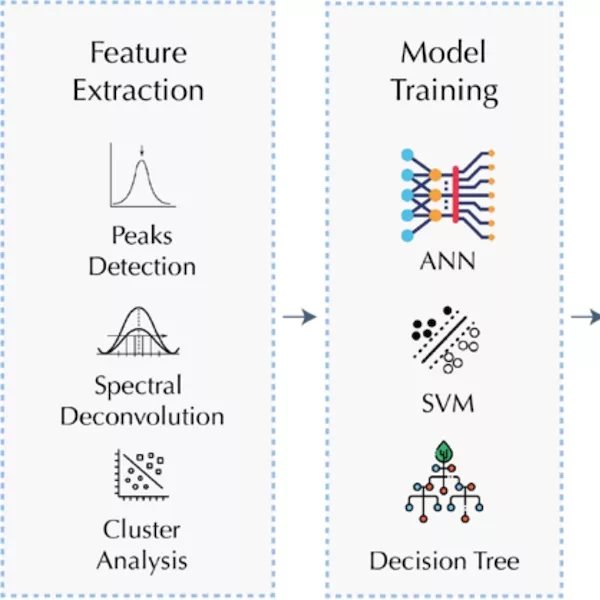
Applications of Python for Spectroscopic Data Processing, Analysis and Machine Learning Modeling in Gemmology
Python, a powerful programming tool with extensive scientific computing capabilities, is being increasingly utilized in gemmological science. It is particularly well-suited for pro
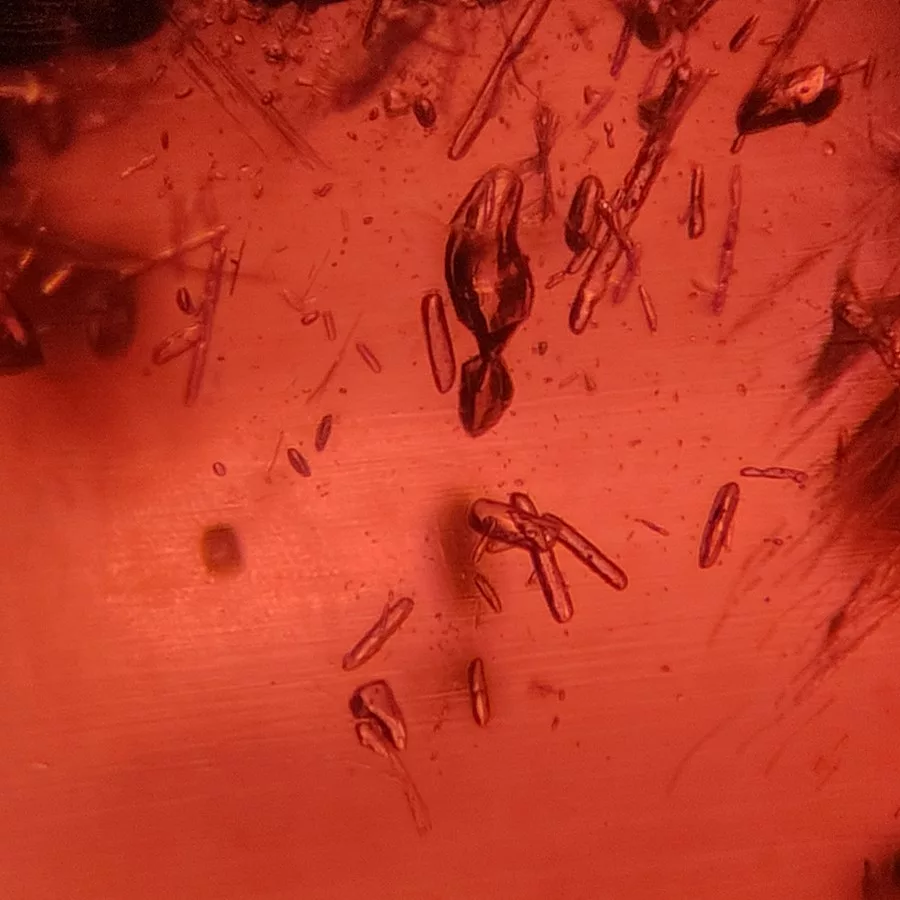
Study and investigation of garnet from Balangir in Odisha, India
n the present study investigation of almandine-pyrope garnet, found in the Khaliapali village (20.8639° N, 83.4708° E) located in Balangir Tehsil of Balangir district of Odisha s
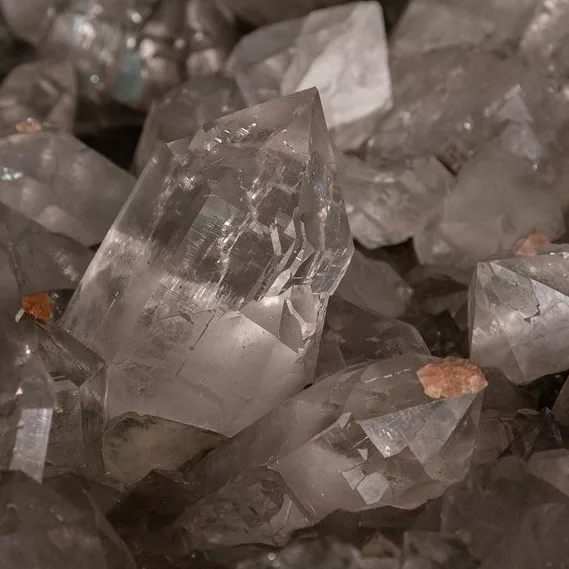
Quartz crystals from alpine fissures: their formation and the historical significance of alpine quartz as raw material for objets d’art
The central Alps, especially the central granite massifs (Aar Massif, Gotthard Massif, Mont Blanc Massif) in Switzerland and adjacent France are known since ancient times for their
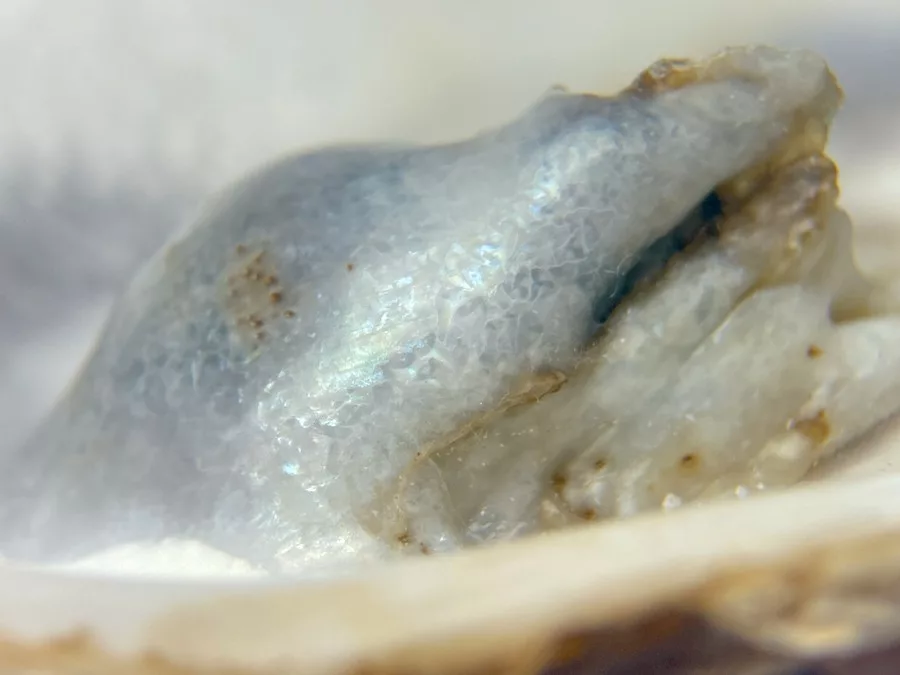
Nacreous Blister Pearl Discovered in Edible Oyster (Crassostrea gigas)
A baroque pearl with a gray, nacreous appearance was discovered attached to the interior of an edible oyster while the author was enjoying a meal at home. The oyster had been purch
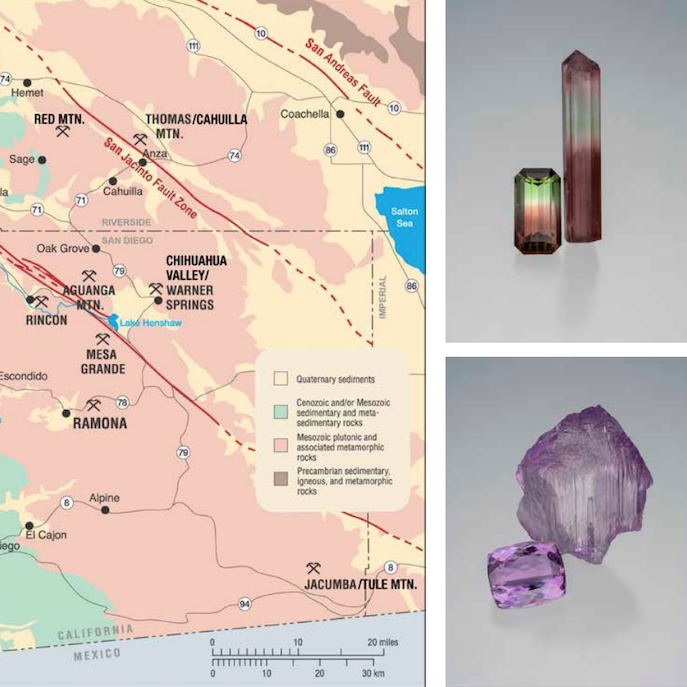
A Review and Synthesis of the Geology and Gem Resources of Granitic Pegmatites in Southern California, USA
Gem-bearing pegmatites in Southern California are hosted by the Peninsular Ranges batholith, and occur in ten districts in San Diego and Riverside counties (Figure 1a and Table 1).
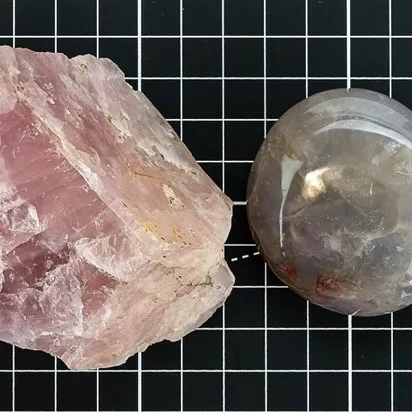
Rose Quartz: Journey Into the Nano-Jungle
Massive rose quartz is a readily available mineral ranging in colour from pink to salmon- or lavender-pink (Figure 1). Given its popularity in the market, it might be assumed that
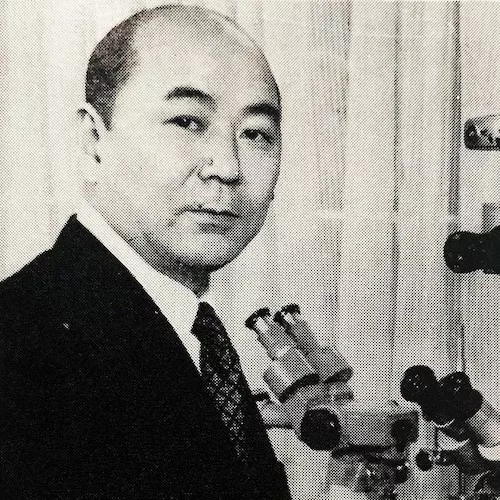
A study of Chikayama’s gem and mineral collections and building a gem museum
Based on the belief that “a gemstone is art and science,” Mr. Akira Chikayama devoted his life to gemological research and study for the benefit of people involved in gemstones
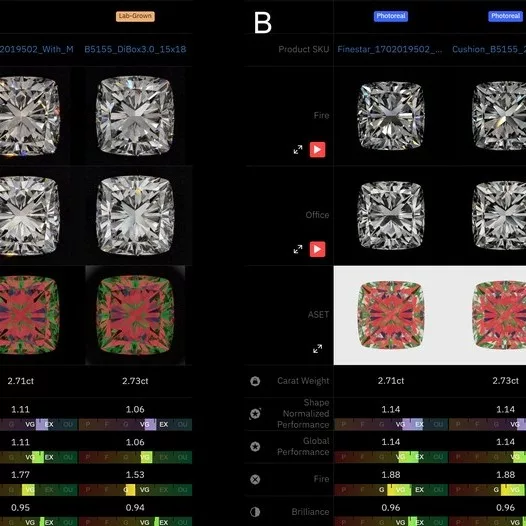
CVD Rough Diamonds Striae Grading Approach based on Deviated Optical Performance of Polished CVD Diamonds
Diamond’s optical performance cognition and scientific descriptions are based on the three key attributes: brilliance, fire and scintillation. Brilliance is an illusion caused by
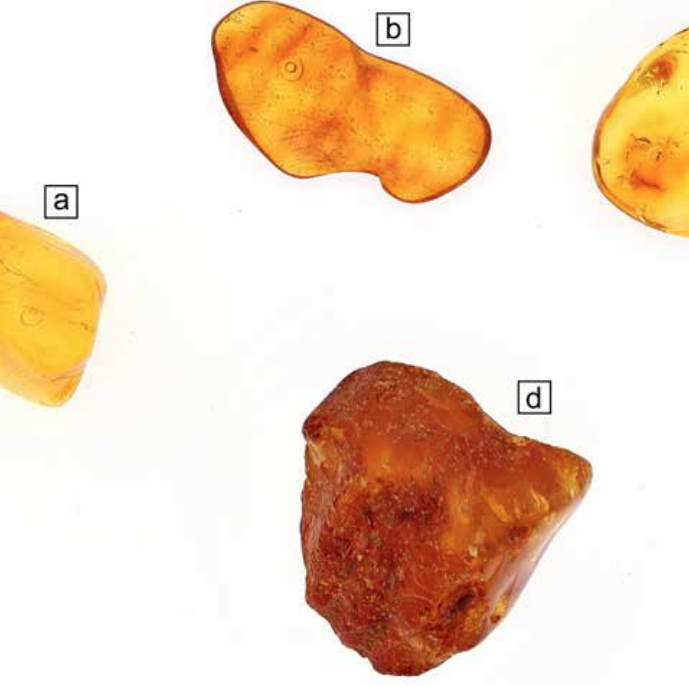
Baltic amber and its inclusions: an insight into the origin and nature of the trapped material
Amber is a fossilised resin from ancient trees (coniferous and deciduous), which underwent the process of fossilisation in various epochs and depositional environments. Until the p
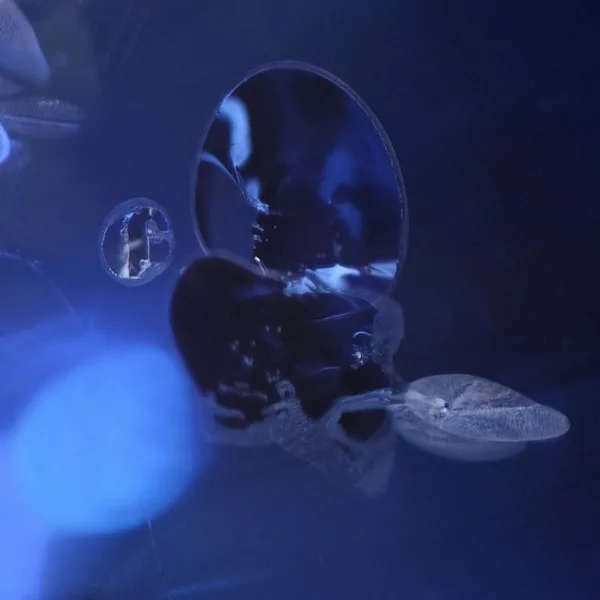
Phase transformations as important markers for heat treatment detection in corundum and other gemstones
Detection of heat treatment of ruby and sapphire and other colour varieties of corundum is a major issue for the trade and laboratories alike. Heat treatment of corundum is commonl
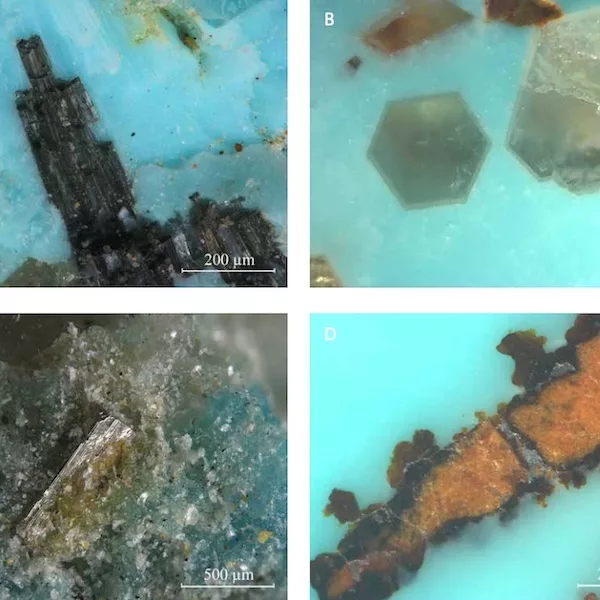
Investigating the Provenance signature of Tourmaline-Bearing Turquoise in the Kuh Zar Gold Deposit, Semnan Province, Iran
The Neyshabur reserve in northeast Iran is renowned for its production of Persian turquoise, yet it is not the sole deposit associated with this valuable gemstone. The Kuh Zar mine
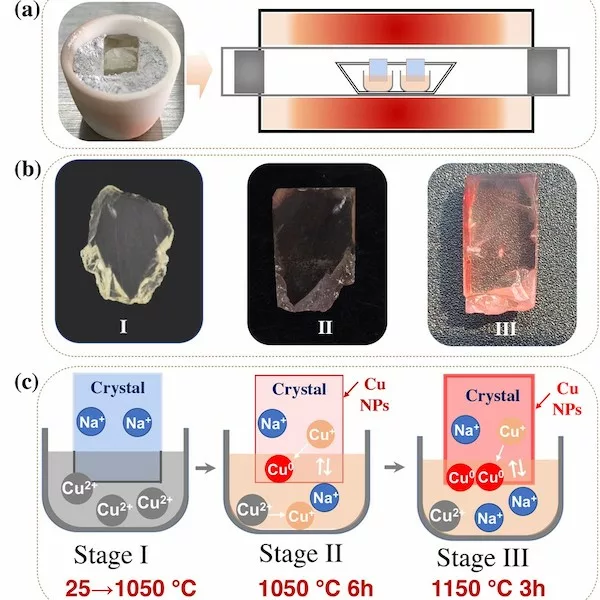
Mechanism and Application of High-Temperature Copper Diffusion in Surface Recoloring of Labradorites
Feldspar, with the chemical formula of [KAlSi3 O8 ]x[NaAlSi3 O8 ]y[CaAl2 Si2 O8 ]z (x + y + z = 100), is one of the most important rock-forming minerals in the earth’s crust, and
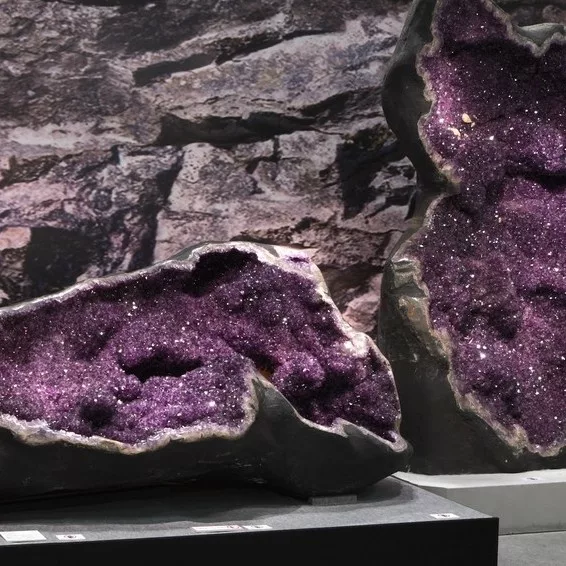
Overview of the “GEM” special exhibition at the NMNS
A special exhibition “GEM” was held at the National Museum of Nature and Science (NMNS), Tokyo, from February 19th to June 19th, 2022. The exhibition covered all aspects of gem
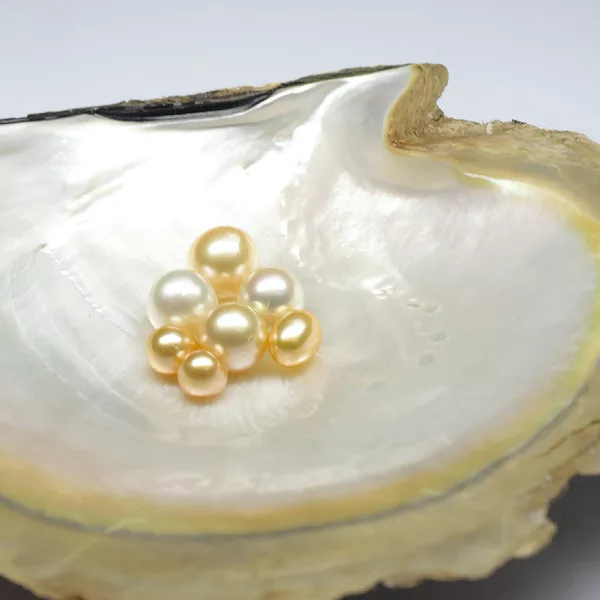
Analysis of Myanmar golden-lipped cultured pearls using X-ray radiography, EDXRF, UV-Vis-NIR and Raman spectroscopy
Myanmar golden-lipped pearl oysters (Pinctada maxima) are well-known to be found at the Myeik Archipelago – formerly also known as Mergui Archipelago – in the Andaman Sea in so
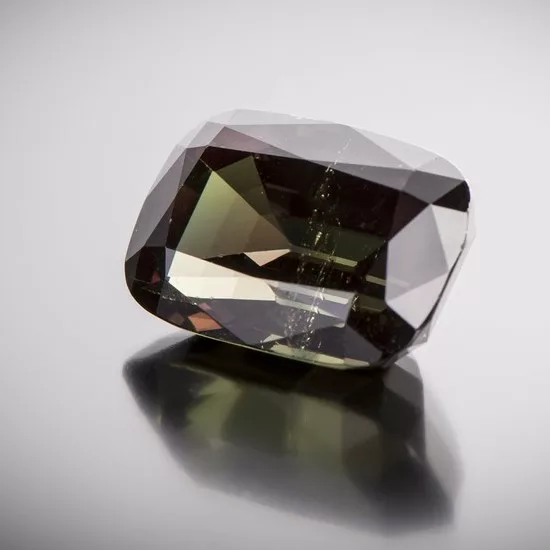
Study of a historical Alexandrite from Paris school of mines collection
Rare are the scientific studies on exceptional gemstones belonging to museum collections. This investigation is part of an ongoing project, on the study of historic gems, of the Mi

Diamonds and synthetic diamonds
Diamond is historically one of the most important gemstones, in terms of value, use and general appreciation. Diamonds were generally formed relatively early in the Earth’s Histo
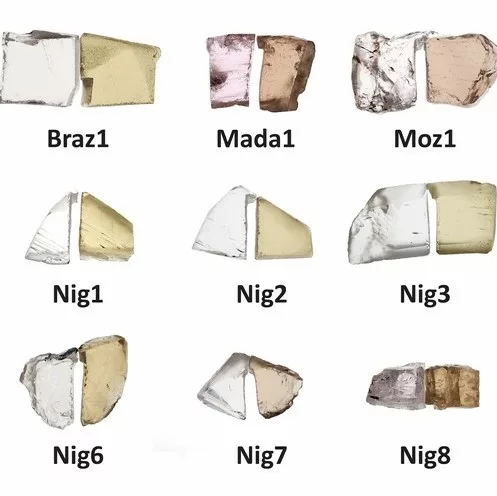
Irradiation treatment and gamma-spectroscopy of morganite
The pink variety of beryl, morganite, is one of the most popular orangey-pink to pink gemstones. Its colour is attributed to manganese, both Mn2+ and Mn3+ (Nassau & Wood, 1968, Woo
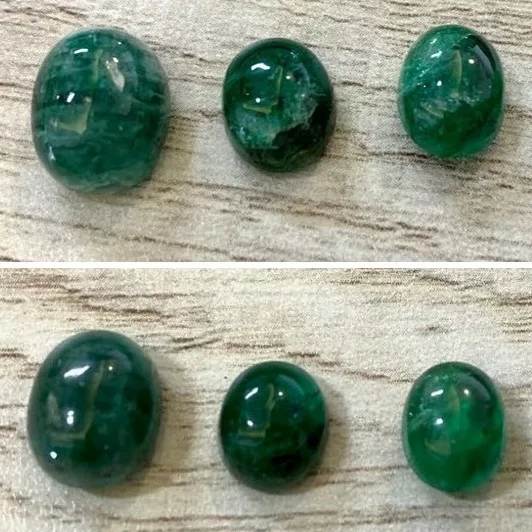
Proposed New Filler Type for Emerald Fracture Filling: Design, Detection, Differentiation, Disclosure
Fracture filling is common in gem trading to enhance gemstones’ beauty and / or durability. Common textbook examples are (lead) glass filling of rubies and diamonds, polymer/resi
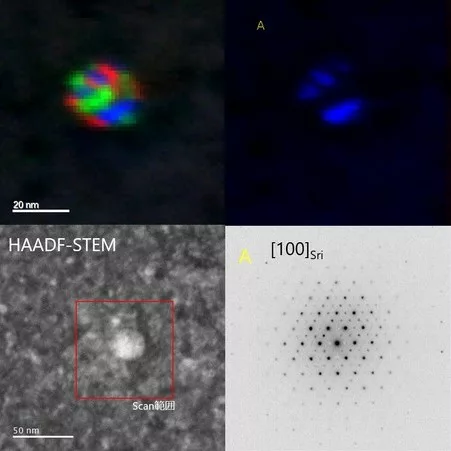
Crystal structure of nano inclusions in blue sapphire from Diego Suarez, Northern Madagascar
Nano inclusions in unheated blue sapphire (Diego Suarez, northern Madagascar) containing naturally occurring beryllium have been studied. Tabular nano inclusions with a diameter of
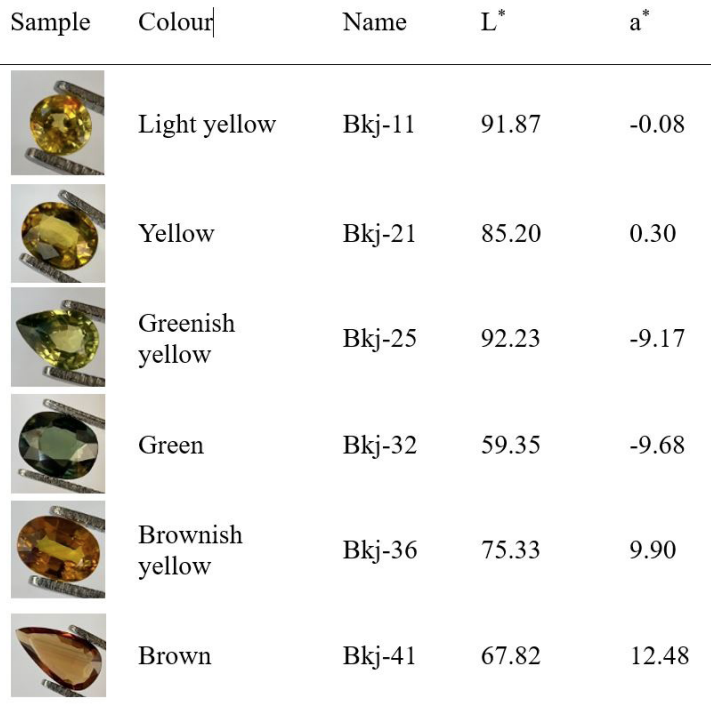
Explanation on Yellow, Green and Brown Coloration Series of Basalt Related Bangkaja Sapphires
The basalt related Bangkaja sapphires, excluding the black star ones, commonly occur in three coloration series, i.e., the yellow, the green and the brown. Two representative sampl
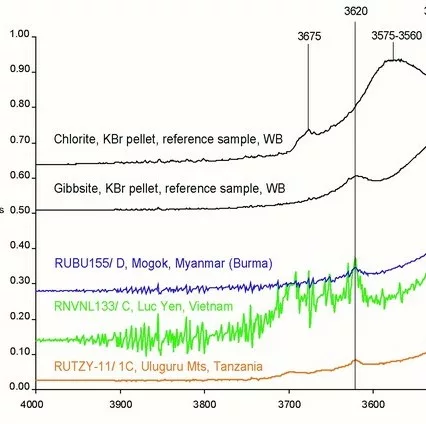
FTIR Fingerprinting: a case study on mineral inclusion identification by FTIR applied on rubies from marble-hosted deposits
Fourier-Transform Infrared Spectrometry (FTIR) is a well-established analytical method in the field of gemmology (Suhner, 1979; Fritsch and Stockton, 1987; Smith, 1995; Beran and R
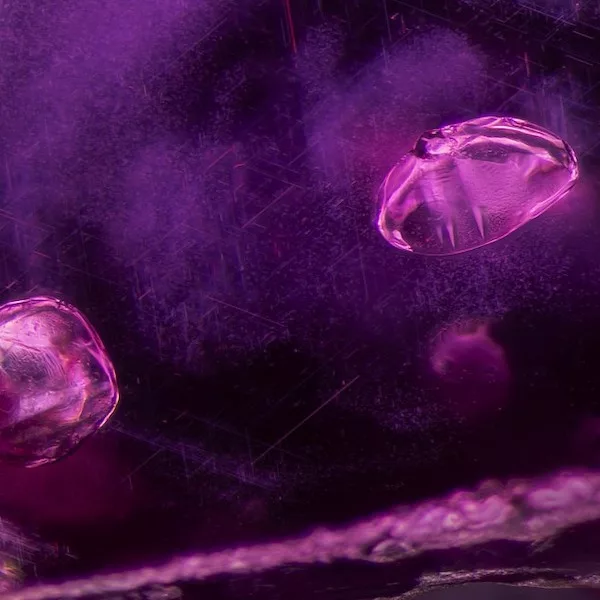
Low Temperature Heat Treatment of Burmese Ruby
Detection of low-temperature heat treatment (below 1200°C) in ruby and sapphire can present challenges to gemologists, as alterations to the material are often subtle. In this stu
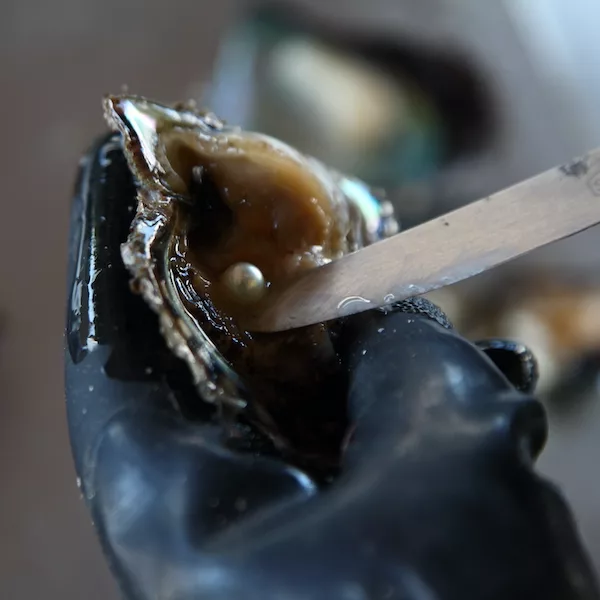
Initiatives for sustainable pearl cultivation in Japan
Natural pearls are a gift from nature. On the other hand, cultured pearls are a symbol of humanity and nature. Skilful pearl smiths and rich nature are needed to cultivate beautifu
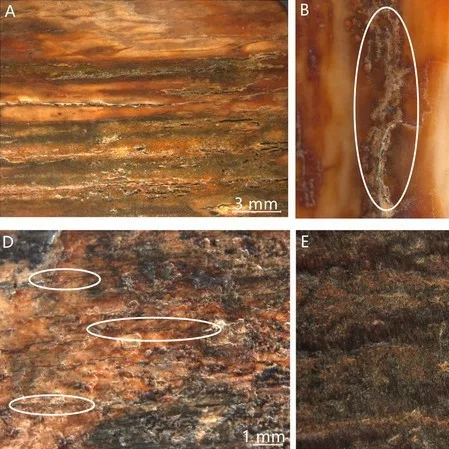
Causes of color in brown mammoth ivory
The mammoth species were once the largest terrestrial mammals in the world during the late Pleistocene (approximately 350,000 to 10,000 years ago), inhabiting the northern hemisphe
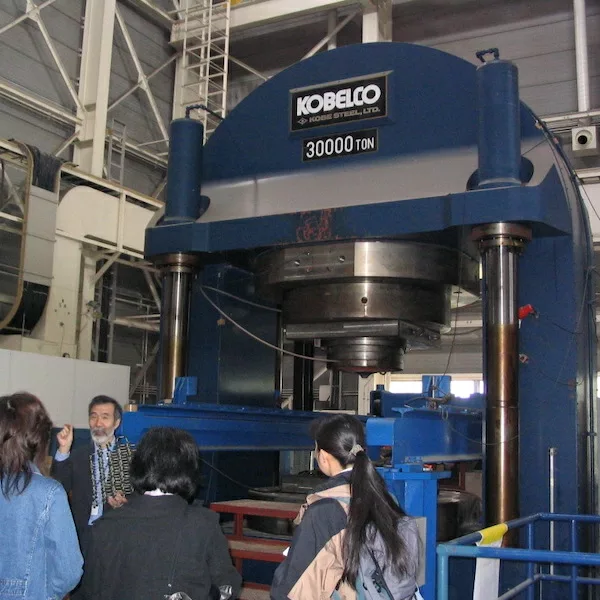
A brief history of synthetic diamond researches in Japan
Research on diamond synthesis started in early 1960s in Japan, following GE’s success in 1955. The research was most active between 1980 and 2000 in Japan, triggered by success i
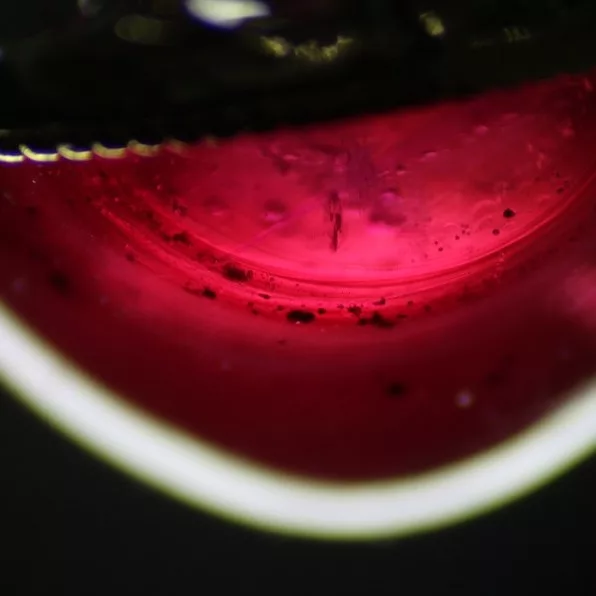
Snapshot of rubies from 1915
In 2008 the Honourable Mary Montagu Scott oversaw the opening of a permanent exhibition at Buckler’s Hard Maritime Museum on the Beaulieu Estate about the steamship SS Persia (Fi
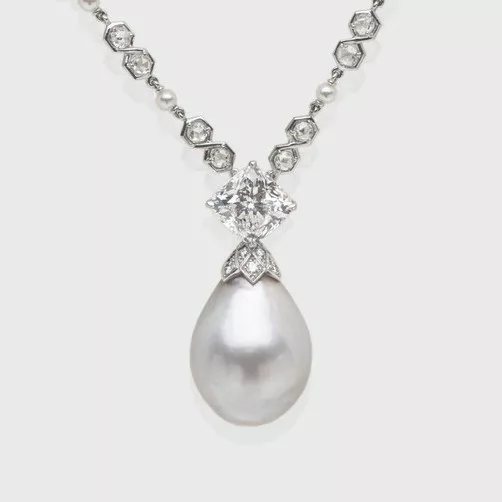
DNA Fingerprinting and age dating of historic natural pearls: a combined approach
Natural pearls are accidental formations in wild oysters. The lack of new supply in recent decades has meant that the trade is heavily dependent on old stocks of natural pearls, an
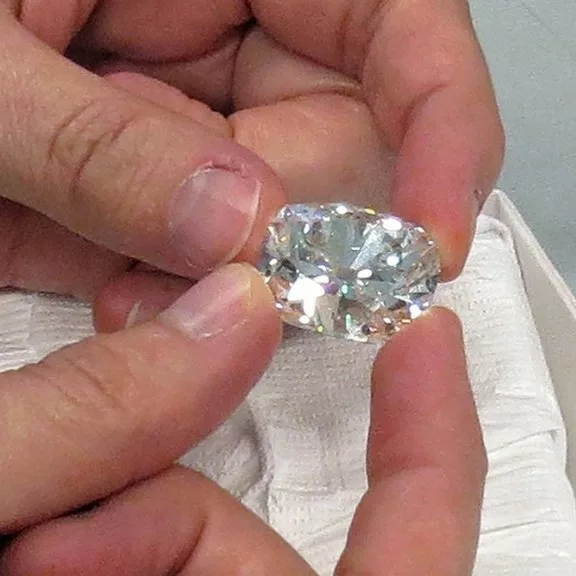
The Banjarmasin Diamond in Amsterdam – War Booty from Borneo
The Banjarmasin diamond in the collection of the Rijksmuseum in Amsterdam plays a questionable role in the history of the Dutch occupation of Southern Borneo. Confiscated from the
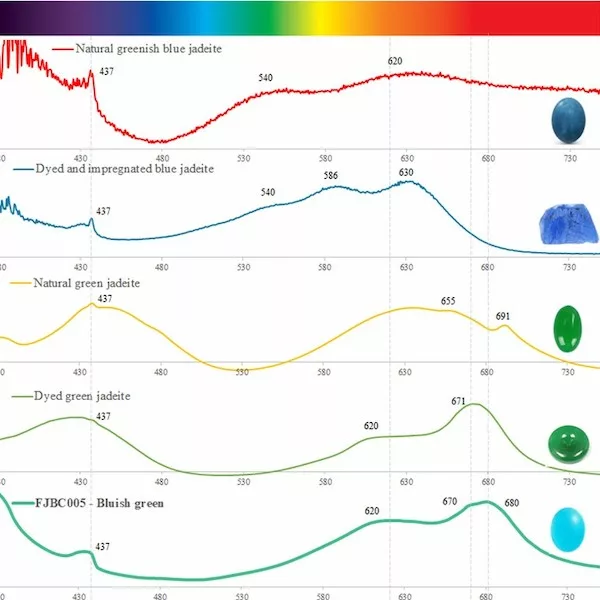
Treated jadeite-jade: Unusually bright fancy colours
Jadeite-jade is a precious ornamental stone that has been valued as the topmost decorative stone and has been used in jewelry, carvings, and other ornamental objects by many cultur